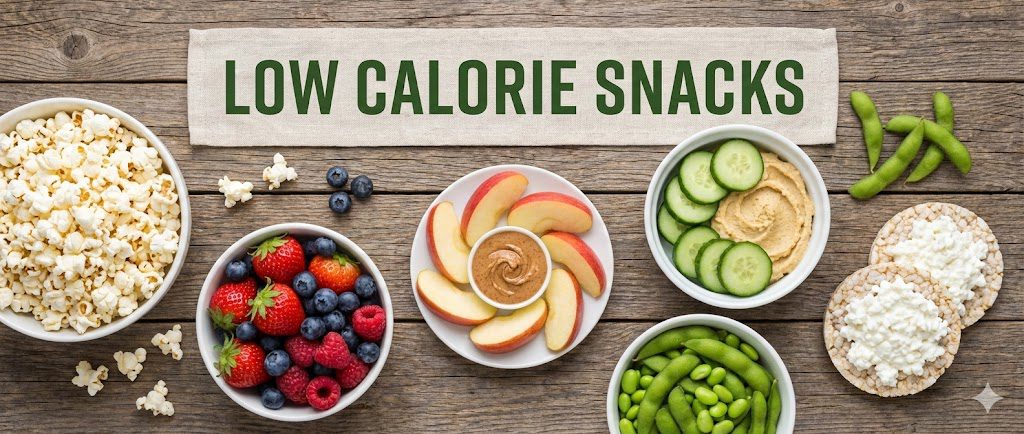
Do you feel hungry between meals? Are you looking for snacks that won’t ruin your diet? Low calorie snacks can keep you satisfied without adding too many calories to your day. This guide shows you the best low calorie snacks and how to make smart choices that support your health goals.
Contents
- 1 What Are Low Calorie Snacks?
- 2 Why Low Calorie Snacks Matter
- 3 The Best Low Calorie Snacks
- 4 High Volume, Low Calorie Snacks
- 5 How to Build a Balanced Low Calorie Snack
- 6 Smart Snacking Strategies for low calorie snacks
- 7 Common Snacking Mistakes
- 8 Snacks for Different Cravings
- 9 Portable Low Calorie Snacks
- 10 How Many Snacks Should You Eat?
- 11 Frequently Asked Questions about low calorie snacks
- 12 What are the healthiest low calorie snacks?
- 13 Can I lose weight by eating low calorie snacks?
- 14 How many calories should my snacks be?
- 15 Are 100 calorie snack packs healthy?
- 16 What should I snack on at night?
- 17 How do I stop snacking when I am not hungry?
- 18 Conclusion
- 19 References
What Are Low Calorie Snacks?
Low calorie snacks are foods that provide nutrition and satisfaction without too many calories. Most experts define a low calorie snack as one that contains 200 calories or less per serving. These snacks help you manage hunger between meals without going over your daily calorie goals.
The best low calorie snacks combine protein, fiber, and healthy fats. These three nutrients work together to keep you full longer. Research shows that about 75% of Americans snack every day, with many people replacing meals with snacks. Making smart snack choices helps you stay on track with your health goals.
Why Low Calorie Snacks Matter
Snacking itself is not bad for you. The problem happens when you choose unhealthy snacks or eat too much. Snacks make up about one-third of the total calories people eat each day. This means your snack choices can make a big difference in your overall health.
Low calorie snacks help you avoid extreme hunger that can lead to overeating at meals. When you wait too long between meals, you might eat too quickly and choose less healthy options. Smart snacking keeps your blood sugar stable and your energy levels high throughout the day.
Studies show that eating protein and fiber together helps control appetite better than eating either one alone. Protein makes you feel full and supports your muscles. Fiber slows digestion and helps you stay satisfied longer. When you combine these nutrients in your snacks, you naturally eat less without feeling hungry.
The Best Low Calorie Snacks
Fresh Fruits
Fresh fruits are nature’s perfect low calorie snacks. An apple contains about 95 calories and provides 3 grams of fiber. Berries like strawberries and blueberries are even lower in calories. One cup of strawberries has only 50 calories.
Fruits give you natural sweetness along with vitamins, minerals, and antioxidants. Watermelon is over 90% water, which means it fills you up with very few calories. Eat fruits alone or pair them with protein for a more balanced snack.
Vegetables with Dip
Raw vegetables are excellent low calorie options. One cup of sliced cucumbers contains only 16 calories. Bell peppers, carrots, and cherry tomatoes are also very low in calories and packed with nutrients.
Pair your vegetables with hummus or Greek yogurt dip for extra protein. Two tablespoons of hummus with vegetables delivers protein, fiber, and healthy fats while keeping the snack under 100 calories. This combination satisfies both your crunch craving and your hunger.
Greek Yogurt
Plain, nonfat Greek yogurt is a protein powerhouse. Half a cup contains about 12 grams of protein and less than 100 calories. Greek yogurt also provides calcium and probiotics that support your gut health.
Top your Greek yogurt with fresh berries for added fiber and antioxidants. Add a small drizzle of honey if you want sweetness. Avoid flavored yogurts that contain lots of added sugar.
Hard-Boiled Eggs
Hard-boiled eggs make convenient, portable snacks. Two large eggs provide 12 grams of protein and about 140 calories. Eggs contain all nine essential amino acids your body needs.
Prepare several hard-boiled eggs at the beginning of the week. Keep them in your fridge for quick snacks throughout the week. Sprinkle them with a pinch of salt and pepper for extra flavor.
Air-Popped Popcorn
Popcorn is a whole grain snack that provides volume without many calories. Six cups of air-popped popcorn contain just 100 calories and provide fiber that helps you stay full longer. The large serving size means you can enjoy eating for longer.
Skip the butter and oil when making popcorn. Season it with herbs, spices, or a light spray of olive oil instead. Air-popped popcorn satisfies your need to munch without derailing your diet.
Cottage Cheese
Cottage cheese delivers impressive amounts of protein in a low calorie package. Half a cup of low-fat cottage cheese provides 14 grams of protein and only 80 calories. This makes it one of the best high-protein snacks available.
Eat cottage cheese with fresh fruit like melon or berries. Add sliced tomatoes and cucumbers for a savory option. Cottage cheese works well in both sweet and savory combinations.
Apple Slices with Nut Butter
This classic combination gives you the perfect balance of carbs, protein, and fat. One medium apple with one tablespoon of natural peanut butter contains about 195 calories. The apple provides fiber while the nut butter adds protein and healthy fats.
Measure your nut butter carefully because it is calorie-dense. One tablespoon is about the size of your thumb tip. This portion gives you flavor and nutrition without too many calories.
Edamame
Edamame are young soybeans that provide complete protein. One cup of edamame contains 18 grams of protein and less than 200 calories. They also offer fiber, iron, and magnesium.
Steam edamame and sprinkle with sea salt for a simple snack. Buy frozen edamame and keep them on hand for quick preparation. Edamame satisfies both vegetarians and meat-eaters.
Cherry Tomatoes with Mozzarella
This Italian-inspired snack delivers protein, healthy fats, and antioxidants. One cup of cherry tomatoes with one ounce of fresh mozzarella provides about 150 calories. The combination tastes delicious and keeps you satisfied.
Drizzle your tomatoes and cheese with balsamic vinegar for extra flavor. Add fresh basil leaves to make it even more special. This snack feels fancy but takes only minutes to prepare.
Rice Cakes with Toppings
Rice cakes are low in calories but provide a crunchy base for toppings. One rice cake contains only 35 calories. Top it with healthy ingredients to create a more substantial snack.
Spread rice cakes with two tablespoons of cottage cheese and add sliced tomatoes. Use them as a base for avocado or nut butter. Rice cakes give you crunch without many calories.
High Volume, Low Calorie Snacks
Volume eating means choosing foods that take up lots of space in your stomach without many calories. These foods contain water, air, or fiber that fills you up. Water has no calories, making foods high in water content satisfying for weight management.
Vegetables like cucumbers, celery, and lettuce are mostly water. You can eat large portions without consuming many calories. Soups made with vegetables also provide high volume with low calories.
Air-popped popcorn is another high volume snack because air expands the kernels. You get to eat cup after cup while keeping calories low. This makes snacking feel more satisfying and less restrictive.
How to Build a Balanced Low Calorie Snack
The best snacks combine different types of nutrients. Start with a base that provides carbohydrates for energy. Add protein to help you feel full. Include a small amount of healthy fat for satisfaction.
For example, pair an apple (carbs and fiber) with cheese (protein and fat). Combine whole grain crackers (carbs) with hummus (protein and fat). These balanced snacks prevent blood sugar spikes and keep hunger away longer.
Studies show that protein and fiber together provide better effects on weight management than either nutrient alone. This combination helps you naturally eat less throughout the day. Aim to include both protein and fiber in your snacks whenever possible.
Smart Snacking Strategies for low calorie snacks
Plan your snacks ahead of time instead of grabbing whatever is available. Prepare snack portions on Sunday for the entire week. Cut up vegetables, portion out nuts, and prepare hard-boiled eggs.
Keep healthy snacks at eye level in your fridge so they are the first thing you see when hunger strikes. Put less healthy options out of sight or in opaque containers. This simple trick helps you make better choices without needing willpower.
Eat mindfully by paying attention to your food. Sit down when you snack instead of eating while standing or walking. Turn off screens and focus on the flavors, textures, and colors of your snack. This practice helps you feel more satisfied with less food.
Drink water before or with your snacks. Sometimes thirst feels like hunger. Drinking water with fiber-rich snacks increases fullness and prolongs satisfaction. Keep a water bottle nearby and sip throughout the day.
Common Snacking Mistakes
Eating directly from large packages leads to overeating. You lose track of how much you have eaten when you cannot see the portion size. Always portion out your snacks into a small bowl or container before eating.
Skipping snacks to save calories often backfires. Extreme hunger makes you more likely to overeat at your next meal. Planned snacks help you maintain steady energy and avoid making poor food choices later.
Choosing snacks based only on calories can leave you unsatisfied. A 100-calorie pack of cookies might fit your calorie budget but it will not keep you full. Foods with protein and fiber provide better nutrition and satisfaction per calorie.
Forgetting to read labels can sabotage your efforts. Many packaged snacks claim to be healthy but contain hidden sugars and unhealthy fats. Check the nutrition facts and ingredient list before buying any packaged snacks.
Snacks for Different Cravings
When You Want Something Crunchy
Choose raw vegetables with hummus, air-popped popcorn, or apple slices. These foods satisfy your need to bite and chew. Whole grain crackers with cheese also provide crunch along with nutrition.
When You Want Something Sweet
Reach for fresh fruit, Greek yogurt with berries, or a small piece of dark chocolate. Frozen banana pieces taste like ice cream but contain only natural sugars. These options satisfy sweet cravings without refined sugar.
When You Want Something Savory
Try cherry tomatoes with cheese, edamame with sea salt, or cucumber slices with cottage cheese. Hard-boiled eggs sprinkled with everything bagel seasoning also hit the spot. These savory snacks provide protein along with flavor.
When You Want Something Creamy
Greek yogurt, cottage cheese, or mashed avocado on rice cakes deliver creamy textures. Smoothies made with frozen fruit and protein powder also satisfy this craving. These options provide creaminess with good nutrition.
Portable Low Calorie Snacks
Keep these snacks in your bag or car for emergencies. Individual portions of nuts (about 14 almonds) provide protein and healthy fats. String cheese offers protein in a convenient package.
Fresh fruit like apples, bananas, and oranges travel well without refrigeration. Baby carrots and snap peas stay fresh for hours in a small container. Protein bars with simple ingredients work when you need something shelf-stable.
Prepare snack bags at home to save money and control portions. Fill small containers with measured amounts of your favorite healthy snacks. Having prepared snacks available prevents impulse purchases of less healthy options.
How Many Snacks Should You Eat?
The right number of snacks depends on your schedule, activity level, and hunger patterns. Most people do well with one or two snacks per day between meals. Active people or those with longer gaps between meals might need more.
If you eat 2,000 calories per day, each snack should make up 10% or less of your daily calories, which equals 200 calories or fewer per snack. This leaves plenty of room for your main meals.
Listen to your body’s hunger signals instead of snacking by the clock. Eat when you feel genuinely hungry, not just bored or stressed. Ask yourself if you would eat an apple or some vegetables. If the answer is no, you might not be truly hungry.
Frequently Asked Questions about low calorie snacks
What are the healthiest low calorie snacks?
The healthiest low calorie snacks combine protein and fiber while staying under 200 calories. Fresh vegetables with hummus provide fiber and protein for under 100 calories. Greek yogurt with berries offers protein, probiotics, and antioxidants. Hard-boiled eggs deliver complete protein with only 70 calories per egg. These whole food options give you the most nutrition per calorie.
Can I lose weight by eating low calorie snacks?
Yes, low calorie snacks can support weight loss when they replace higher calorie options and help control hunger. Research shows that people who choose snacks rich in protein and fiber naturally eat less throughout the day. The key is keeping total daily calories below what you burn. Smart snacking prevents extreme hunger that leads to overeating at meals.
How many calories should my snacks be?
Most nutritionists recommend keeping snacks at 200 calories or less. This amount provides enough energy and nutrients to satisfy hunger without using too many of your daily calories. Some people prefer smaller snacks of 100-150 calories, especially if they eat multiple snacks per day. Choose a calorie level that fits your total daily needs and keeps you satisfied between meals.
Are 100 calorie snack packs healthy?
Not all 100 calorie packs are equally healthy. Many contain processed foods with little nutritional value. They might fit your calorie budget but leave you hungry soon after eating them. Look for options that provide protein and fiber along with the calorie control. Making your own 100 calorie portions of whole foods like fruits, vegetables, and nuts works better for most people.
What should I snack on at night?
Choose light snacks that provide protein without too many calories before bed. Greek yogurt with berries gives you protein and satisfaction. A small handful of almonds provides healthy fats and protein. Research suggests that eating nutrient-rich foods like vegetables, fruits, and whole grains at night is better for weight management than eating high-calorie processed snacks.
How do I stop snacking when I am not hungry?
Identify the real reason you want to snack. Many people eat from boredom, stress, or habit rather than hunger. Drink a glass of water and wait ten minutes before snacking. Find other activities to replace snacking, like taking a walk or calling a friend. Keep only healthy snacks visible and put tempting foods out of sight. These strategies help you snack only when truly hungry.
Conclusion
Low calorie snacks help you manage hunger, maintain energy, and support your health goals. Fresh fruits, vegetables, Greek yogurt, and eggs provide excellent nutrition without too many calories. The best snacks combine protein and fiber to keep you satisfied longer.
Plan your snacks ahead of time and prepare portions in advance. Choose whole foods over processed snacks most of the time. Keep healthy options visible and accessible in your kitchen. These simple strategies make smart snacking easy and automatic.
Remember that snacking should support your overall nutrition, not replace balanced meals. Use snacks to bridge the gap between meals and prevent extreme hunger. Listen to your body’s signals and eat when you feel genuinely hungry.
Start making better snack choices today by trying one or two options from this guide. Build a collection of snacks you enjoy that also support your health goals. With practice, healthy snacking becomes second nature and helps you feel your best every day.
References
- Harvard Health Publishing. (2024). Low-calorie snacks: Healthy, delicious, and satisfying options. Harvard Medical School. Retrieved from https://www.health.harvard.edu/nutrition/low-calorie-snacks-healthy-delicious-and-satisfying-options
- Blake, J. S., & Zelman, K. M. (n.d.). 25 Super Snacks With 100 Calories or Less. WebMD. Retrieved from https://www.webmd.com/diet/ss/slideshow-100-calorie-snacks
- Chomps. (2025). 20 High-Volume, Low-Calorie Snacks for Weight Loss. Retrieved from https://chomps.com/blogs/nutrition-sustainability-news/high-volume-low-calorie-snacks
- GoodRx Health. (2025). 40 Low-Calorie Snacks That Are Dietitian-Approved. Retrieved from https://www.goodrx.com/well-being/diet-nutrition/healthy-low-calorie-snack
- Heller, M., et al. (2024). Protein, fiber, and exercise: a narrative review of their roles in weight management and cardiometabolic health. PMC. Retrieved from https://pmc.ncbi.nlm.nih.gov/articles/PMC12255039/
- Paddon-Jones, D., & Leidy, H. (2008). Protein, weight management, and satiety. The American Journal of Clinical Nutrition, 87(5), 1558S-1561S. https://pubmed.ncbi.nlm.nih.gov/18469287/