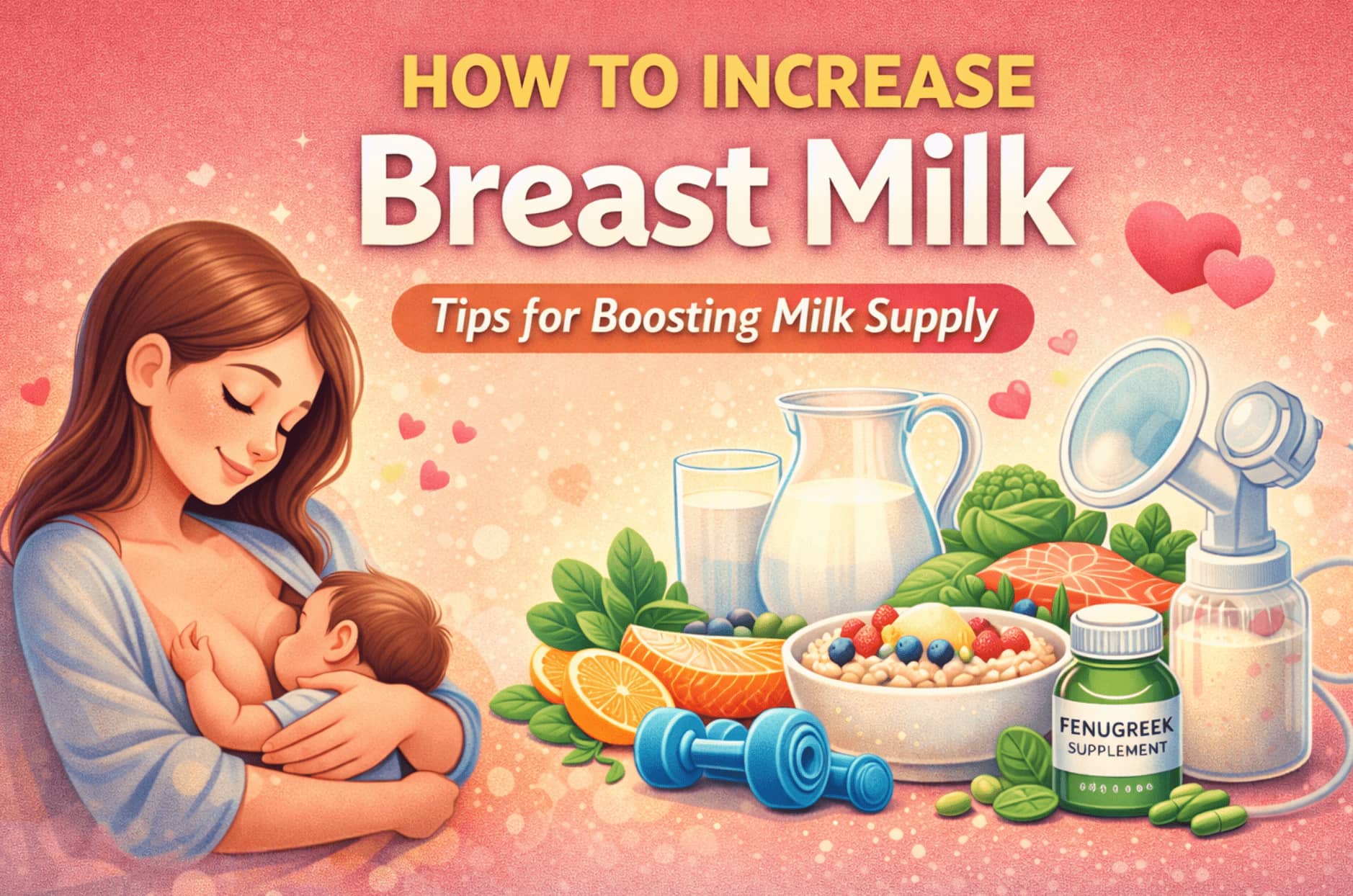
Are you worried about producing enough breast milk for your baby? Do you want to know which foods really help increase milk supply? Do you want to know how to Increase Breast Milk? Low milk supply concerns affect about 75% of new mothers, but the good news is that there are proven ways to boost your production naturally. This complete guide shows you the best foods to eat, practical tips that work, and how tracking your nutrition with EATAI can help support healthy lactation.
Contents
- 1 Understanding Breast Milk Production
- 2 Best Foods to Increase Breast Milk Production
- 3 How Much to Eat While Breastfeeding
- 4 Natural Ways to Boost Milk Supply
- 5 How EATAI Helps Breastfeeding Mothers
- 6 Foods and Substances to Limit
- 7 Frequently Asked Questions about how to Increase Breast Milk
- 8 How can I naturally increase breast milk production?
- 9 What foods increase breast milk the fastest?
- 10 How much water should I drink to increase breast milk?
- 11 Do lactation cookies really work?
- 12 When should I see a lactation consultant?
- 13 Can stress affect my breast milk supply?
- 14 How long does it take to increase milk supply?
- 15 Can I track my breastfeeding nutrition with an app?
- 16 Conclusion
- 17 References
Understanding Breast Milk Production
Breast milk production works on a supply and demand system. The more often you breastfeed or pump, the more milk your body produces. When your baby suckles your breast, hormones that trigger your breasts to produce milk are released. This creates the “let-down” reflex that moves milk through your milk ducts.
Your body knows exactly what nutrition your baby needs at every stage of development. Breast milk is 87% water, which makes staying hydrated crucial for production. Most nursing mothers need about 100 ounces of fluids daily from beverages and foods.
Several factors affect your milk supply beyond just diet. Proper latch and positioning help your baby remove milk efficiently. Rest and stress levels play important roles too. Anxiety and exhaustion can interfere with the let-down reflex and decrease milk production.
Best Foods to Increase Breast Milk Production
Oats and Whole Grains
Oats top the list of lactation-supporting foods. They are packed with iron, fiber, and protein, as well as saponins, which stimulate milk production. Iron is especially important because iron deficiency can affect milk production.
Start your morning with a warm bowl of oatmeal topped with berries and nuts. Bake oat muffins or lactation cookies for easy snacks. Other beneficial whole grains include brown rice, whole wheat pasta, and barley. These complex carbohydrates keep you feeling full longer and provide steady energy.
Leafy Green Vegetables
Dark green and leafy varieties like kale, spinach, arugula, and broccoli are powerhouses of essential nutrients. They support healthy cell production and energy levels. The calcium and phytoestrogens in these vegetables may help boost breast milk production.
Phytoestrogens are plant estrogens that can mimic human estrogen and positively affect lactation. Add spinach to smoothies, stir-fries, or soups. Toss arugula into salads. Roast broccoli as a side dish. Aim for at least three servings of leafy greens daily.
Protein-Rich Foods
Protein plays a vital role in recovery after childbirth and supports robust milk production. Your body needs about 5-7 ounces of protein daily while breastfeeding. Include a variety of protein sources throughout the day.
Lean meats like chicken, turkey, and pork provide high-quality protein. Wild-caught salmon and sardines can increase breast milk production while providing omega-3 fatty acids for your baby’s brain development. These fish are also natural sources of vitamin D.
For plant-based proteins, choose tofu, tempeh, chickpeas, lentils, and beans. These options work wonderfully for vegetarian and vegan mothers. Eggs provide protein plus choline, lutein, and B vitamins.
Nuts and Seeds
Almonds have high calcium and magnesium content and are best consumed raw to preserve their nutritional integrity. A handful of almonds makes an excellent snack. Cashews and walnuts also provide healthy fats and protein.
Seeds like sesame, flax, and fennel offer unique benefits. Sesame seeds are packed with calcium, fiber, iron, and magnesium. Toast and sprinkle them over salads or vegetables. Flaxseeds provide omega-3 fats that support baby’s brain development. Fennel seeds may help relieve digestion issues and are often used in teas.
Galactagogue Foods
Foods that contain galactagogues include fennel and fennel seeds, leafy greens like spinach and arugula, oats, chickpeas, and almonds. Other traditional milk boosters include:
Fenugreek seeds – One of the most popular lactation supplements, though research is mixed Garlic – Despite its strong flavor, garlic may increase milk supply and duration of breastfeeding Papaya – Green or unripe papaya increases oxytocin production, which boosts breast milk Brewer’s yeast – Rich in B vitamins, iron, protein, and selenium
Fruits and Vegetables
Apricots and dates can increase prolactin, which is the hormone that tells your body to produce milk. These sweet fruits make convenient snacks that satisfy cravings while supporting lactation.
Carrots are high in beta-carotene and vitamin A, which can enhance both the quantity and quality of breast milk. Add them to stir-fries, soups, or enjoy them raw with hummus.
Berries burst with antioxidants and vitamin C, perfect for boosting your immune system while breastfeeding. Their natural sweetness makes them delicious additions to oatmeal, yogurt, or smoothies.
Greek Yogurt
Greek yogurt is especially high in protein and provides calcium crucial for breastfeeding mothers. You need about 1,000 milligrams of calcium daily. Your milk is high in calcium, and if you do not get enough in your diet, it could negatively impact your bones and teeth.
Choose plain Greek yogurt without added sugar. Top it with fresh fruit, granola, and a drizzle of honey for a satisfying breakfast or snack.
Salmon and Fatty Fish
Both salmon and sardines can increase breast milk production. Salmon is rich in DHA, a type of omega-3 fatty acid that supports your baby’s brain development. It also contains vitamin B12, which may help ward off postpartum depression.
Choose wild-caught, farm-raised, or canned salmon. Grill, bake, or steam it with lemon and herbs. Follow FDA guidelines on fish consumption, eating two to three servings weekly from low-mercury options.
How Much to Eat While Breastfeeding
Breastfeeding requires extra energy – approximately 300-400 more calories per day than when you are not breastfeeding. Most people need about 1,600-2,000 calories daily, so nursing mothers need roughly 1,900-2,400 calories total.
These extra calories should come from nutrient-rich foods high in vitamins, minerals, and macronutrients. Eat a wide variety of breads and cereal grains, fruits, vegetables, milk products, meats, or meat alternatives each day.
Avoid diets and medications that promise rapid weight loss. Restricting overall calories or entire food groups can cause a significant drop in your milk supply. Focus on eating nourishing foods rather than dieting during the breastfeeding period.
Natural Ways to Boost Milk Supply
Breastfeed Frequently
Breastfeeding your new baby 8-12 times a day helps establish and maintain milk production. When working to increase your milk supply, nurse at least once every 2-3 hours, especially during the night if you can manage it.
Let your baby decide when to stop feeding. Have your baby feed from both breasts at each feeding. The stimulation of having both breasts nursed from can help increase milk production.
Ensure Proper Latch
A correct latch at the breast should not be painful. If you feel pain while nursing, this could signal that baby is not latched well. Poor milk transfer will slow down the production cycle.
Signs of good milk transfer include a comfortable latch, circular movement of baby’s jaw, and audible swallowing. Switch breastfeeding positions to help baby correct the latch. Once at the breast, baby’s lips should be flanged outward.
Pump Between Feedings
Pumping between feedings can help you increase milk production. Pumping milk from both breasts simultaneously has been found to increase production and result in higher fat content in the milk.
Pump when you have milk left over after a feeding or when your baby has missed a feeding. Warming your breasts before pumping can help make you more comfortable.
Practice Skin-to-Skin Contact
Holding your baby close with skin-to-skin contact can help stimulate milk production. Babywearing throughout the day keeps your baby close and helps you notice earliest feeding cues.
Get Adequate Rest
Rest and stress levels affect milk production significantly. Lack of sleep impacts milk supply. Try to nap when your baby naps. Even closing your eyes for a few minutes helps your body recover.
Take a “nursing vacation” if possible. Cut back on outside commitments and spend a couple days relaxing with your baby, resting, eating, and nursing. This focused time can boost supply quickly.
Stay Hydrated
Drink water to thirst to prevent dehydration. Keep a water bottle with you, especially while nursing. Goal is to have at least 8 cups (64 ounces) of water daily. Some mothers need more or less – listen to your body.
If you find yourself more thirsty than usual when breastfeeding, it is nature’s way of telling you to hydrate. Add fresh sliced fruit to your water bottle for a refreshing drink.
How EATAI Helps Breastfeeding Mothers
Track Your Nutrition Effortlessly
Knowing what you eat helps you ensure you are getting enough calories, protein, and nutrients for healthy milk production. Traditional food tracking requires manually entering every meal, which takes 15-30 minutes daily. New mothers barely have time to shower, let alone track food meticulously.
EATAI uses artificial intelligence to make nutrition tracking effortless. Simply take a photo of your meal and the AI recognizes the food and calculates:
- Total calories to ensure you meet your 300-400 extra calorie needs
- Protein grams to confirm adequate intake (5-7 ounces daily)
- Carbohydrates, fats, and fiber
- Portion sizes
This automation saves precious time while helping you monitor your nutrition.
Identify Nutrient Gaps
The app helps you spot days when you do not eat enough protein or when you skip important food groups. You can see patterns over time and make adjustments. For example, if you notice you rarely eat leafy greens, you can add spinach to your smoothies or salads.
EATAI makes it easy to ensure you are eating a balanced diet with variety. The app shows your intake across different nutrients, helping you identify what you might be missing.
Monitor Hydration Alongside Food
While EATAI primarily tracks food, you can photograph your water bottles and drinks throughout the day. This reminds you to stay hydrated and helps you see if you are meeting the 100-ounce fluid goal.
Export your food logs to share with your doctor, lactation consultant, or registered dietitian. They can review your eating patterns and provide specific recommendations. This data-driven approach improves the quality of care you receive.
Reduce Stress About Nutrition
Worrying about whether you are eating the right foods adds stress. Stress interferes with the let-down reflex and can decrease milk supply. EATAI removes the mental burden of tracking by doing the work for you.
Snap photos of your meals, review your daily summary, and relax knowing you have visibility into your nutrition. Visit https://geteatai.app to start tracking your breastfeeding nutrition with AI-powered simplicity.
Foods and Substances to Limit
High-Mercury Fish
Avoid fish like shark, swordfish, and king mackerel that contain high mercury levels. These chemicals pass to your baby through breast milk. Choose low-mercury options from the FDA’s “Best Choices” list instead.
Alcohol
While you do not need to avoid alcohol completely, limit your consumption while breastfeeding. Having a single drink and waiting two hours before you feed or pump keeps your baby safest. You cannot “pump and dump” alcohol out of milk – it clears at the same rate it clears from your blood.
Caffeine
Limit caffeine to less than 300 milligrams daily – about three cups of coffee. Too much caffeine might affect your sleep or your baby’s. It can also lead to irritability and fussiness in some babies. Monitor your baby for sensitivity.
Peppermint and Sage
Some herbs like peppermint, spearmint, and sage are believed to potentially reduce milk supply in large amounts. While enjoying occasional peppermint tea likely causes no issues, avoid consuming these herbs in medicinal quantities.
Pseudoephedrine
Medications containing pseudoephedrine, such as some sinus and allergy medications, may lower breast milk production. Certain hormonal birth control can also decrease supply. Talk with your doctor about alternatives if you notice supply changes.
Frequently Asked Questions about how to Increase Breast Milk
How can I naturally increase breast milk production?
Frequent breastfeeding or pumping every 2-3 hours, staying hydrated with 100 ounces of fluids daily, eating nutritious foods like oats, leafy greens, salmon, and nuts, and reducing stress can all help naturally. Skin-to-skin contact with your baby, ensuring proper latch, and getting adequate rest are also important. The supply-and-demand system means the more you empty your breasts, the more milk your body produces.
What foods increase breast milk the fastest?
While no single food magically increases milk overnight, oats, fenugreek, fennel seeds, leafy greens like spinach, garlic, almonds, salmon, and papaya are popular traditional choices. However, research shows these work best when combined with frequent nursing or pumping. Focus on eating a balanced diet with adequate protein (5-7 ounces daily), complex carbohydrates, healthy fats, and staying well-hydrated rather than relying on specific foods alone.
How much water should I drink to increase breast milk?
Nursing mothers need about 100 ounces of fluids each day from beverages and foods. This equals roughly 13 cups. Drink water to thirst and watch for signs of dehydration like concentrated urine or constipation. Keep a water bottle nearby during nursing sessions. While staying hydrated is crucial since breast milk is 87% water, drinking excess fluids beyond what your body needs will not increase milk supply.
Lactation cookies contain ingredients like oats, brewer’s yeast, flaxseeds, and fenugreek that have traditionally been linked to increased milk supply. While there is no research specifically on lactation cookies, some individual ingredients show promise. These cookies work best as part of an overall strategy that includes frequent nursing, proper hydration, and adequate rest – not as a standalone solution.
When should I see a lactation consultant?
Consult a lactation consultant if your baby is not gaining weight adequately, producing fewer than 6 wet diapers daily, seems unsatisfied after feedings, or if breastfeeding is painful. Also seek help if your milk supply remains low despite trying natural methods for several days, or if you suspect latch issues preventing efficient milk transfer. Professional support can identify and solve problems quickly.
Can stress affect my breast milk supply?
Yes, stress can significantly impact milk production. While stress may not curb milk production directly, it can hamper your let-down reflex which releases milk into your milk ducts. This makes it harder for your baby to get milk. Anxiety and exhaustion interfere with hormones needed for lactation. Practice stress reduction through deep breathing, asking for help, resting when possible, and creating a relaxing nursing environment.
How long does it take to increase milk supply?
Most methods should begin working within a few days if they are going to work for you. How long it takes depends on how low your supply is initially and what is contributing to low production. Consistent frequent nursing every 2-3 hours, proper nutrition, adequate hydration, and rest typically show improvements within 3-7 days. If you see no improvement after a week, consult a lactation professional.
Can I track my breastfeeding nutrition with an app?
Yes, nutrition tracking apps help ensure you meet your extra calorie needs (300-400 calories daily) and get adequate protein, vitamins, and minerals. AI-powered apps like EATAI make tracking effortless – just photograph your meals instead of manually entering data. This saves time while providing visibility into your nutrition patterns. Visit https://geteatai.app to track your breastfeeding diet with photo-based AI technology.
Conclusion
Increasing breast milk production requires a combination of frequent nursing, proper nutrition, adequate hydration, and stress management. Focus on eating nutrient-dense foods like oats, leafy greens, salmon, eggs, nuts, and whole grains. These foods provide the calories, protein, and nutrients your body needs to produce milk.
Remember that breast milk production works on supply and demand. The more often you breastfeed or pump, the more milk your body makes. Ensure your baby latches correctly to transfer milk efficiently. Get adequate rest whenever possible and ask for help from family and friends.
Track your nutrition effortlessly with EATAI’s AI-powered photo recognition. Simply snap pictures of your meals to ensure you are eating enough calories and getting balanced nutrition. Visit https://geteatai.app to start tracking your breastfeeding nutrition today.
Be patient and kind to yourself during this journey. Small, steady steps make real differences over time. Most mothers produce exactly the right amount of milk for their babies. If you have ongoing concerns, reach out to a lactation consultant or healthcare provider for personalized support.
Your body is doing amazing work nourishing your baby. Give yourself credit for showing up every day and doing your best. With proper nutrition, frequent nursing, and the right support, you can successfully breastfeed your little one.
References
- UPMC HealthBeat. (2022). Foods That Promote Breast Milk Production. Retrieved from https://share.upmc.com/2022/09/foods-to-promote-breastmilk/
- Sanford Health News. (2024). Top 10 superfoods for breastfeeding moms. Retrieved from https://news.sanfordhealth.org/womens/top-10-breastfeeding-superfoods/
- WebMD. (n.d.). Breastfeeding Diet: Foods to Eat to Increase Your Milk Supply. Retrieved from https://www.webmd.com/parenting/baby/ss/slideshow-increase-milk-supply
- Northwestern Medicine. (n.d.). Can You Increase Your Breast Milk Supply with Diet? Retrieved from https://www.nm.org/healthbeat/healthy-tips/nutrition/breastfeeding-nutrition
- Philips Avent. (n.d.). Foods to boost milk supply: a guide. Retrieved from https://www.usa.philips.com/c-e/mo/parents-guide/breastfeeding/foods-to-boost-milk-supply-a-guide.html
- Le Bonheur Children’s Hospital. (n.d.). 5 best and worst foods for breast milk supply. Retrieved from https://www.lebonheur.org/blogs/practical-parenting/5-best-and-worst-foods-for-breast-milk-supply
- Medanta. (2025). How to Increase Breast Milk Production: Foods to Boost Lactation. Retrieved from https://www.medanta.org/patient-education-blog/how-to-increase-breast-milk-production-foods-to-boost-lactation
- Healthline. (2018). How to Increase Breast Milk: Home Remedies, Diet, Supplements. Retrieved from https://www.healthline.com/health/parenting/how-to-increase-breast-milk