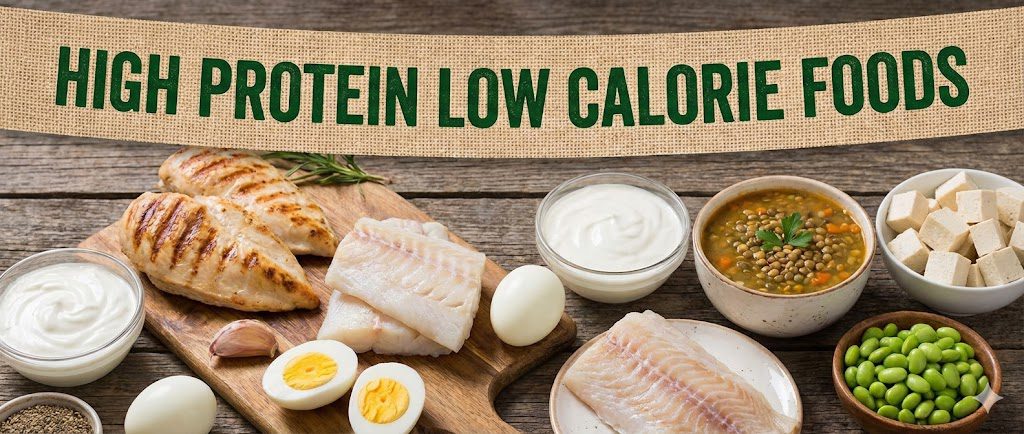
Are you trying to lose weight while building muscle? Do you want to feel full without eating too many calories? High protein low calorie foods can help you reach your fitness goals. This guide shows you the best foods to eat and how to use them in your daily meals.
Contents
- 1 What Are High Protein Low Calorie Foods?
- 2 Why You Need High Protein Low Calorie Foods
- 3 The Best High Protein Low Calorie Foods
- 4 How to Add More Protein to Your Meals
- 5 How Much Protein Do You Need?
- 6 Benefits of High Protein Low Calorie Foods
- 7 Common Mistakes to Avoid about High protein low calorie foods
- 8 Tips for Success
- 9 Frequently Asked Questions about High protein low calorie foods
- 10 What is the best high protein low calorie food?
- 11 How much protein should I eat to lose weight?
- 12 Can I build muscle on a low calorie diet?
- 13 Are plant proteins as good as animal proteins?
- 14 What happens if I eat too much protein?
- 15 When should I eat protein for best results?
- 16 Conclusion: High protein low calorie foods
- 17 References : High protein low calorie foods
What Are High Protein Low Calorie Foods?
High protein low calorie foods give you lots of protein without adding many calories to your diet. These foods help you feel full longer and support muscle growth. Protein contains 4 calories per gram, just like carbohydrates. But protein works differently in your body and offers unique benefits.
Most experts say a food is high in protein and low in calories if it has at least 6 grams of protein and no more than 180 calories per serving. These foods are perfect for people who want to lose weight, build muscle, or simply eat healthier.
Why You Need High Protein Low Calorie Foods
Protein plays many important roles in your body. It builds and repairs your muscles, bones, and skin. Protein also helps make enzymes and hormones that keep your body working well. Your immune system needs protein to fight off sickness.
Research shows that eating enough protein helps you lose weight in several ways. Protein makes you feel fuller than carbs or fats. When you eat protein, your body releases signals in your small intestine that tell your brain you are satisfied. This means you naturally eat less throughout the day without feeling hungry.
Studies prove that protein helps preserve muscle mass during weight loss. When you cut calories, your body might break down muscle for energy. Eating enough protein protects your muscles and helps you lose fat instead. One study found that people who ate more protein during weight loss gained 2.5 pounds of muscle while losing 10.5 pounds of fat.
Protein also boosts your metabolism through a process called thermogenesis. Your body burns more calories digesting protein than it does digesting carbs or fats. This means protein helps you burn extra calories all day long, even when you rest.
The Best High Protein Low Calorie Foods
Chicken Breast
Chicken breast is one of the most popular lean proteins. A 4-ounce serving gives you 31 grams of protein and only 140 calories. It contains very little saturated fat and provides important nutrients like selenium and B vitamins.
You can grill, bake, or air-fry chicken breast to keep it healthy. Add it to salads, wraps, stir-fries, or pasta dishes. Season it with herbs and spices instead of heavy sauces to keep calories low.
Turkey Breast
Turkey breast has a similar nutrition profile to chicken. A 4-ounce serving provides 31 grams of protein and 140 calories. Turkey is slightly lower in calories than chicken and offers more vitamin B6.
Use ground turkey in tacos, burgers, or meatballs. Slice turkey breast for sandwiches and salads. Turkey works in almost any recipe that calls for chicken.
Egg Whites
Egg whites are almost pure protein with no saturated fat. Four egg whites give you 13 grams of protein and very few calories. They contain all nine essential amino acids your body needs but cannot make on its own.
Scramble egg whites for breakfast or use them in omelets. Add vegetables and herbs for extra flavor. You can also use egg whites in baking recipes or protein pancakes.
Greek Yogurt
Plain, fat-free Greek yogurt is packed with protein. One cup contains about 20 grams of protein and less than 150 calories. Greek yogurt also provides calcium, phosphorus, and probiotics that support gut health.
Eat Greek yogurt for breakfast topped with berries and nuts. Use it as a substitute for sour cream on tacos or baked potatoes. Mix it into smoothies for a protein boost.
Cottage Cheese
Cottage cheese is another dairy powerhouse. A half-cup serving provides 14 grams of protein and only 80 calories. It also contains calcium and vitamin B12.
Pair cottage cheese with fresh fruit for a snack. Mix it with herbs and use it as a dip for vegetables. Add cottage cheese to pasta dishes for extra creaminess and protein.
Tuna
Canned tuna is convenient and healthy. A 4-ounce serving contains 32 grams of protein and only 140 calories. Tuna provides heart-healthy omega-3 fatty acids that reduce inflammation.
Make tuna salad with plain Greek yogurt instead of mayonnaise. Eat it on whole grain crackers or bread. Add tuna to pasta salads for a quick meal.
Salmon
Salmon is a fatty fish rich in protein and omega-3s. A 4-ounce serving provides 23 grams of protein and 200 calories. Research shows that omega-3 fatty acids support heart health and brain function.
Grill or bake salmon with lemon and herbs. Add it to salads or grain bowls. Salmon works great in tacos or with roasted vegetables.
White Fish
White fish like cod, tilapia, and halibut are excellent low-calorie protein sources. These fish provide plenty of protein without many calories. They also contain heart-healthy omega-3 fatty acids.
Bake white fish with spices and serve it with vegetables. Add it to fish tacos or curry. White fish has a mild flavor that works with many different seasonings.
Pork Loin
Not all pork is high in fat. Pork loin is a lean cut that provides 23 grams of protein and 130 calories in a 4-ounce serving. It contains less saturated fat than traditional red meat.
Roast pork loin with herbs and garlic. Slice it for sandwiches or dice it for stir-fries. Pork loin is versatile and delicious.
Lentils
Lentils are a plant-based protein star. A 4-ounce serving of cooked lentils has 10 grams of protein and 130 calories. They also provide fiber, iron, and folate.
Add lentils to soups and stews. Use them as a base for vegetarian tacos. Mix lentils into salads for extra protein and texture.
Black Beans
Black beans pack 15 grams of protein per cup. They also contain fiber and antioxidants that fight harmful free radicals. These legumes support digestive health.
Use black beans in burritos, tacos, or burrito bowls. Add them to soups or serve them as a side dish. Black beans are filling and nutritious.
Edamame
Edamame are young soybeans that provide complete protein. One cup contains 18 grams of protein and less than 200 calories. They also offer fiber and magnesium.
Steam edamame and sprinkle it with sea salt for a snack. Add shelled edamame to salads or stir-fries. These green beans taste great and boost your protein intake.
Tofu
Tofu is made from soybeans and contains 21 grams of protein per 4-ounce serving. It also provides iron and manganese. Tofu is a complete protein with all essential amino acids.
Press tofu to remove extra water, then bake or fry it. Add tofu to stir-fries, curries, or scrambles. It absorbs the flavors of whatever you cook it with.
How to Add More Protein to Your Meals
Start your day with a high-protein breakfast. Studies show that eating protein in the morning helps you feel full all day. Try eggs, Greek yogurt, or a protein smoothie.
Add protein to every meal and snack. This helps you reach your daily protein goals without thinking too hard about it. Aim for at least 20-30 grams of protein at each meal.
Prep your protein in advance. Cook chicken breast, hard-boil eggs, or portion out Greek yogurt at the beginning of the week. Having protein ready makes healthy eating easier.
Combine incomplete plant proteins to create complete proteins. Eat beans with rice, or hummus with whole grain pita. This strategy helps vegetarians and vegans get all essential amino acids.
Use protein powder when you need a quick boost. Mix it into smoothies, oatmeal, or yogurt. Most protein powders provide 20-30 grams of protein per scoop.
How Much Protein Do You Need?
The amount of protein you need depends on your weight and goals. Research shows that most people need 1.2-1.6 grams of protein per kilogram of body weight per day for weight loss. This helps you lose fat while keeping muscle.
If you want to build muscle, aim for 1.6-2.2 grams of protein per kilogram of body weight daily. Athletes and people who exercise intensely need even more protein to support recovery and growth.
For a 150-pound person, this equals about 82-150 grams of protein per day. Divide this amount across your meals and snacks. Eating 25-30 grams of protein at each meal makes it easy to hit your target.
Older adults need more protein too. Studies recommend 1.2-2.0 grams per kilogram of body weight for people over 65. Extra protein helps prevent age-related muscle loss and keeps bones strong.
Benefits of High Protein Low Calorie Foods
These foods help you lose weight without feeling hungry. Protein increases feelings of fullness more than carbs or fats. When you eat more protein, you naturally consume fewer calories throughout the day.
High protein foods preserve muscle mass during weight loss. Your muscles burn calories even when you rest. Keeping your muscle mass high helps maintain a healthy metabolism.
Protein supports muscle recovery after exercise. When you work out, your muscles develop tiny tears. Protein helps repair this damage and makes your muscles stronger.
Eating enough protein improves bone health. Research shows that protein, especially when combined with strength training, helps maintain bone density. This reduces the risk of osteoporosis and fractures as you age.
Protein helps control blood sugar levels. Unlike carbs, protein does not spike your blood sugar. It actually slows down the absorption of sugar from other foods you eat.
Common Mistakes to Avoid about High protein low calorie foods
Some people eat too much protein thinking more is always better. Very high protein intake can add extra calories if you are not active enough. Balance is important for overall health.
Do not ignore other nutrients while focusing on protein. Your body also needs healthy fats, complex carbs, vitamins, and minerals. Eat a variety of foods to get complete nutrition.
Avoid relying only on protein supplements. Whole foods provide nutrients that powders cannot match. Use supplements as a convenience, not as your main protein source.
Remember to drink plenty of water. Protein metabolism produces waste products that your kidneys filter out. Staying hydrated helps your kidneys work properly.
Tips for Success
Plan your meals ahead of time. Know what protein you will eat at each meal before you get hungry. This prevents making poor food choices when you are tired or rushed.
Keep high protein snacks available. Stock your fridge with hard-boiled eggs, Greek yogurt, and cut vegetables with hummus. Having healthy options ready makes eating well easier.
Track your food intake for a few days. This helps you see how much protein you actually eat. Many people are surprised to discover they need more protein than they thought.
Pair protein with fiber-rich vegetables. This combination keeps you full even longer and provides important vitamins and minerals. Fill half your plate with vegetables at every meal.
Frequently Asked Questions about High protein low calorie foods
What is the best high protein low calorie food?
Chicken breast and egg whites are among the best options. Chicken breast provides 31 grams of protein in just 140 calories per 4-ounce serving. Egg whites give you 13 grams of protein with almost no calories. Both foods are lean, affordable, and easy to prepare in many different ways.
How much protein should I eat to lose weight?
Research recommends 1.2-1.6 grams of protein per kilogram of body weight daily for effective weight loss. For a 150-pound person, this equals about 82-109 grams per day. Eating this amount helps you lose fat while preserving muscle mass. Spread your protein intake across all meals and snacks throughout the day.
Can I build muscle on a low calorie diet?
Yes, you can build muscle while eating fewer calories if you consume enough protein and strength train regularly. Studies show that people who eat high protein during weight loss can gain muscle while losing fat. Aim for at least 1.6 grams of protein per kilogram of body weight and lift weights several times per week.
Are plant proteins as good as animal proteins?
Plant proteins can be just as effective when combined properly. Animal proteins like chicken and eggs contain all essential amino acids. Most plant proteins lack one or more amino acids. Eating different plant proteins together, like beans and rice, creates complete proteins. Both types support muscle growth and weight loss.
What happens if I eat too much protein?
Eating very high amounts of protein can cause problems for some people. It may stress your kidneys if you have existing kidney disease. Too much protein can also mean eating too many calories overall, which leads to weight gain. For most healthy adults, protein intake up to 2.2 grams per kilogram of body weight is safe.
When should I eat protein for best results?
Eating protein throughout the day works better than eating it all at once. Your body can only use about 25-40 grams of protein at a time for muscle building. Spread your protein across three meals and one or two snacks. Many studies show that eating protein at breakfast helps control appetite all day long.
Conclusion: High protein low calorie foods
High protein low calorie foods are powerful tools for weight loss and muscle building. Chicken, fish, eggs, Greek yogurt, and legumes provide quality protein without excess calories. These foods keep you full, protect your muscles, and boost your metabolism.
Start adding more protein to your meals today. Choose lean proteins at every meal and snack. Combine protein with vegetables and whole grains for balanced nutrition. Track your intake to make sure you meet your daily protein goals.
Remember that losing weight and building muscle takes time. Stay consistent with your protein intake and exercise routine. Choose whole foods over processed options most of the time. With patience and effort, you will reach your fitness goals and feel healthier than ever.
The journey to better health starts with one meal at a time. Pick one or two high protein low calorie foods from this guide and add them to your shopping list. Your body will thank you for making this smart choice.
References : High protein low calorie foods
- U.S. Department of Agriculture, Agricultural Research Service. (2025). FoodData Central. Retrieved from https://fdc.nal.usda.gov/
- Kokura, Y., Ueshima, J., Saino, Y., & Maeda, K. (2024). Enhanced protein intake on maintaining muscle mass, strength, and physical function in adults with overweight/obesity: A systematic review and meta-analysis. Clinical Nutrition ESPEN, 63, 417-426. https://pubmed.ncbi.nlm.nih.gov/39002131/
- Longland, T. M., Oikawa, S. Y., Mitchell, C. J., Devries, M. C., & Phillips, S. M. (2016). Higher compared with lower dietary protein during an energy deficit combined with intense exercise promotes greater lean mass gain and fat mass loss. The American Journal of Clinical Nutrition, 103(3), 738-746. https://www.runnersworld.com/nutrition-weight-loss/a20861737/study-protein-could-be-key-to-weight-loss-muscle-gain/
- Harvard Health Publishing. (2023). High-protein foods: The best protein sources to include in a healthy diet. Harvard Medical School. Retrieved from https://www.health.harvard.edu/nutrition/high-protein-foods-the-best-protein-sources-to-include-in-a-healthy-diet
- Paddon-Jones, D., & Leidy, H. (2014). Dietary protein and muscle in older persons. Current Opinion in Clinical Nutrition and Metabolic Care, 17(1), 5-11. https://pmc.ncbi.nlm.nih.gov/articles/PMC6566799/