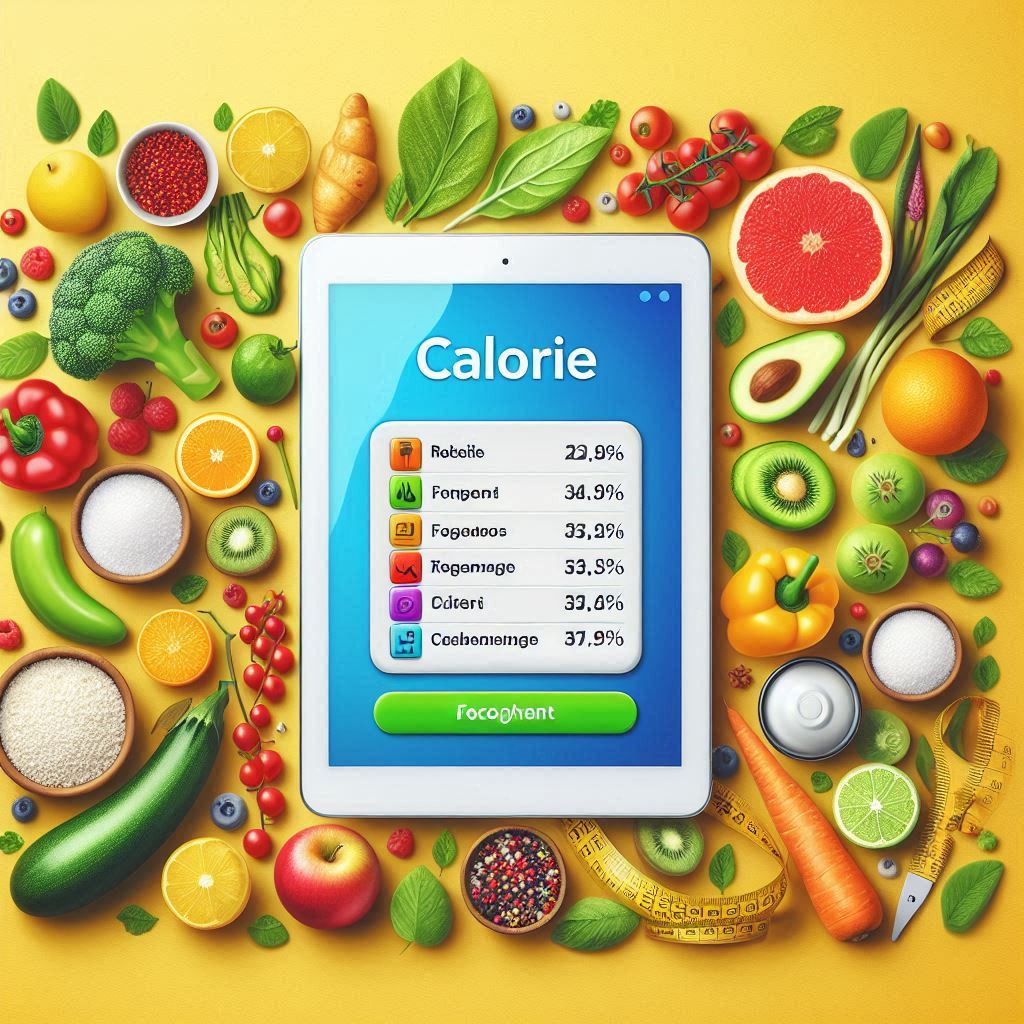
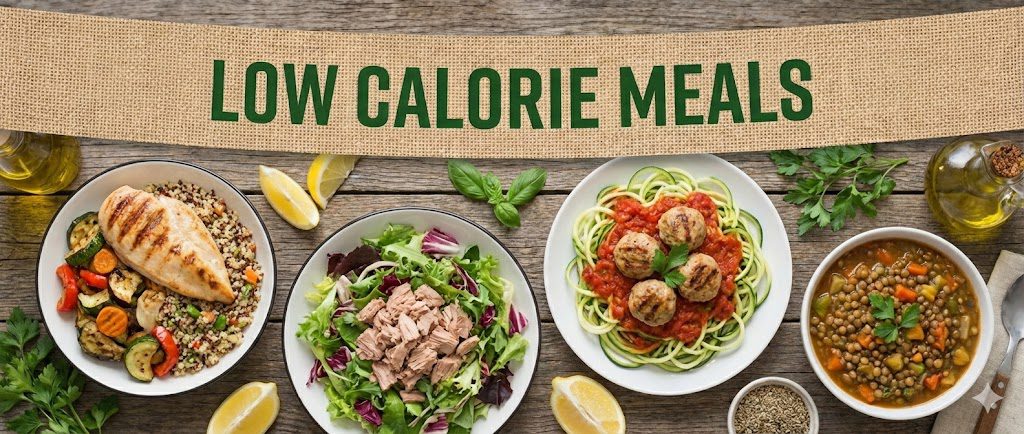
Are you trying to lose weight without feeling hungry all the time? Do you want to eat delicious food while watching your calories? Low calorie meals can help you reach your goals without giving up the foods you love. This guide shows you how to create satisfying meals that support your health and weight loss journey.
Contents
- 1 What Are Low Calorie Meals?
- 2 Why Low Calorie Meals Work for Weight Loss
- 3 Building the Perfect Low Calorie Meal
- 4 Best Low Calorie Breakfast Ideas
- 5 Delicious Low Calorie Lunch Options
- 6 Tasty Low Calorie Dinner Recipes
- 7 Smart Cooking Methods to Reduce Calories
- 8 Meal Prep Tips for Low Calorie Success
- 9 Common Mistakes to Avoid
- 10 How to Enjoy Dining Out While Eating Low Calorie Meals
- 11 Frequently Asked Questions
- 12 How many calories should my meals be to lose weight?
- 13 Can I eat carbs and still have low calorie meals?
- 14 How do I make low calorie meals taste good?
- 15 Will I feel hungry eating low calorie meals?
- 16 How fast will I lose weight eating low calorie meals?
- 17 Can I eat low calorie meals if I exercise regularly?
- 18 Conclusion
- 19 References
- 20 Download EATAI app and gain your fitness goal powered by AI.
What Are Low Calorie Meals?
Low calorie meals provide good nutrition without too many calories. Most nutritionists define a low calorie meal as one that contains 500 calories or less. These meals help you create a calorie deficit, which means you burn more calories than you eat. This deficit is the key to weight loss.
Research shows that an energy deficit is the most important factor for losing weight. When you eat fewer calories than your body burns, you lose weight. A deficit of 500-750 calories per day helps most people lose weight safely and steadily.
The best low calorie meals include lean protein, vegetables, whole grains, and healthy fats. These foods work together to keep you full and energized throughout the day. You do not need to feel hungry or deprived when eating low calorie meals.
Why Low Calorie Meals Work for Weight Loss
Your body needs a certain number of calories each day to maintain your current weight. When you eat fewer calories than this amount, your body uses stored fat for energy. This process leads to weight loss over time.
Low calorie meals help you control portions and make better food choices. When you focus on nutrient-dense foods, you get more vitamins and minerals with fewer calories. Vegetables, lean proteins, and whole grains fill you up without adding extra calories.
Studies prove that people who follow structured meal plans lose more weight than those who do not plan ahead. Having a variety of low calorie recipes ready helps you stay on track. You avoid making poor food choices when you feel hungry and rushed.
Choosing meals with low energy density helps you eat larger portions while consuming fewer calories. Energy density means the number of calories in a certain amount of food. Foods with high water content like vegetables have low energy density. You can eat more of these foods and still lose weight.
Building the Perfect Low Calorie Meal
Every balanced low calorie meal should include four main components. First, add lean protein to keep you full and protect your muscles during weight loss. Second, include lots of colorful vegetables for vitamins, minerals, and fiber. Third, add a small portion of whole grains for lasting energy. Finally, include a small amount of healthy fat to help your body absorb nutrients.
Lean proteins like chicken breast, fish, turkey, tofu, and eggs should make up about one-quarter of your plate. These foods provide the building blocks your muscles need. Protein also takes longer to digest, which helps you feel satisfied after eating.
Vegetables should fill half your plate at every meal. Choose a rainbow of colors to get different nutrients. Dark leafy greens, bright peppers, orange carrots, and purple cabbage all offer unique benefits. The fiber in vegetables helps you feel full without adding many calories.
Whole grains like brown rice, quinoa, and whole wheat pasta give you sustained energy. Keep your portion to about one-quarter of your plate. These carbohydrates provide fuel for your body and brain. Choose whole grains over refined grains for more fiber and nutrients.
Healthy fats from sources like olive oil, avocado, and nuts help your meals taste better and keep you satisfied. Use small amounts because fats contain more calories per gram than protein or carbs. One or two teaspoons of olive oil or a few slices of avocado is usually enough.
Best Low Calorie Breakfast Ideas
Starting your day with a protein-rich breakfast helps you feel full until lunch. Greek yogurt parfait with berries and a sprinkle of granola provides protein, fiber, and antioxidants for under 300 calories. Layer the ingredients in a clear glass for an appealing presentation.
Vegetable omelets make satisfying morning meals that keep calories low. Use two whole eggs or three egg whites with spinach, tomatoes, and mushrooms. Add a slice of whole grain toast on the side. This combination gives you protein, fiber, and complex carbs for sustained energy.
Oatmeal topped with sliced banana and a teaspoon of nut butter offers comfort food nutrition. Cook your oats with water or low-fat milk to keep calories down. The fiber in oatmeal helps you stay full all morning. Add cinnamon for extra flavor without calories.
Smoothie bowls blend frozen fruit with Greek yogurt and a splash of milk. Pour the thick mixture into a bowl and top with fresh berries and a tablespoon of nuts. This refreshing breakfast provides protein, vitamins, and healthy fats while staying under 350 calories.
Delicious Low Calorie Lunch Options
Salads make excellent low calorie lunches when you build them right. Start with dark leafy greens like spinach or kale. Add grilled chicken breast, hard-boiled eggs, or chickpeas for protein. Include colorful vegetables like bell peppers, cucumbers, and cherry tomatoes. Dress your salad with lemon juice and a small drizzle of olive oil instead of creamy dressings.
Soup and salad combinations provide volume and satisfaction for relatively few calories. Choose broth-based soups loaded with vegetables. Tomato soup, vegetable soup, and chicken noodle soup all work well. Pair a cup of soup with a side salad for a complete meal under 400 calories.
Wraps and sandwiches travel well for lunch at work or school. Use whole grain tortillas or bread as your base. Fill them with lean turkey or chicken, lots of vegetables, and mustard instead of mayonnaise. This simple switch saves calories while adding flavor.
Grain bowls combine quinoa or brown rice with roasted vegetables and lean protein. Top your bowl with a light sauce made from Greek yogurt and herbs. These satisfying meals provide balanced nutrition and keep you full all afternoon. Each bowl typically contains 400-500 calories.
Tasty Low Calorie Dinner Recipes
Baked or grilled fish delivers lean protein with minimal calories. Salmon provides heart-healthy omega-3 fatty acids along with protein. Season your fish with lemon, garlic, and herbs instead of heavy sauces. Serve it with roasted asparagus and a small baked sweet potato for a complete meal under 400 calories.
Stir-fries let you pack in vegetables while keeping calories controlled. Use chicken breast, shrimp, or tofu as your protein. Load your pan with broccoli, snap peas, bell peppers, and mushrooms. Cook everything in a small amount of sesame oil with garlic and ginger. Serve over cauliflower rice instead of regular rice to save even more calories.
Sheet pan dinners make cooking easy and cleanup simple. Place chicken breast or pork tenderloin on a baking sheet with Brussels sprouts, carrots, and onions. Drizzle everything with olive oil and season with your favorite spices. Roast until the protein is cooked through and vegetables are tender. One serving contains about 350 calories.
Zucchini noodles replace traditional pasta for a fraction of the calories. Spiralize zucchini into noodle shapes and top with marinara sauce and turkey meatballs. Add a sprinkle of parmesan cheese for flavor. This Italian-inspired meal satisfies pasta cravings while keeping calories low.
Turkey chili warms you up without weighing you down. Use lean ground turkey, kidney beans, tomatoes, and lots of spices. Let everything simmer together for maximum flavor. Top each bowl with a small dollop of Greek yogurt instead of sour cream. This hearty dinner provides protein and fiber for under 300 calories per serving.
Smart Cooking Methods to Reduce Calories
How you cook your food affects the final calorie count. Grilling, baking, roasting, and steaming all add minimal calories to your meals. These methods let the natural flavors of your food shine through without heavy sauces or oils.
Grilling adds smoky flavor without extra fat. Marinate your proteins in herbs, spices, and citrus juice before grilling. The high heat creates appealing grill marks and caramelization. Both meat and vegetables taste great when grilled properly.
Baking requires less oil than frying and produces consistent results. Line your baking sheets with parchment paper to prevent sticking without adding fat. Baked chicken breast, fish, and vegetables all turn out moist and flavorful when cooked correctly.
Steaming preserves nutrients while adding zero calories. Steam broccoli, green beans, and carrots until just tender. Season them with lemon juice, garlic, or herbs after cooking. This gentle cooking method keeps vegetables bright and crisp.
Air frying creates crispy textures similar to deep frying but uses much less oil. Coat your food lightly with cooking spray before air frying. Chicken, vegetables, and even tofu become crispy and golden in the air fryer. This method cuts calories significantly compared to traditional frying.
Meal Prep Tips for Low Calorie Success
Planning and preparing meals ahead of time helps you stick to your goals. Choose one day each week to cook several meals at once. Store everything in individual containers so healthy options are ready when you need them.
Cook proteins in bulk to use throughout the week. Grill several chicken breasts, bake a large piece of salmon, or prepare a batch of hard-boiled eggs. Having protein ready makes assembling meals quick and easy.
Wash and chop vegetables as soon as you bring them home from the store. Store cut vegetables in clear containers at the front of your fridge. When healthy options are visible and ready to eat, you use them more often.
Prepare grain bowls with different combinations to avoid boredom. Use quinoa one day, brown rice another day, and cauliflower rice on lighter days. Change up your vegetables and proteins to create variety. This strategy prevents meal fatigue while keeping calories controlled.
Portion your meals into appropriate serving sizes during prep. Use measuring cups or a food scale to ensure accuracy. When portions are already measured, you avoid eating too much at mealtime. This practice helps you stay within your calorie goals.
Common Mistakes to Avoid
Some people think cutting calories means eating tiny portions. This approach leaves you hungry and more likely to overeat later. Instead, focus on eating larger portions of low calorie foods like vegetables. Volume eating keeps you satisfied while creating a calorie deficit.
Skipping meals to save calories usually backfires. When you get too hungry, you make poor food choices and eat more than you planned. Eat regular meals and snacks throughout the day to maintain steady energy and appetite control.
Drinking your calories wastes your daily budget on items that do not fill you up. Soda, juice, sweetened coffee drinks, and alcohol all add calories without providing nutrition. Choose water, unsweetened tea, or black coffee instead. Save your calories for foods that satisfy your hunger.
Forgetting to count cooking oils and sauces can add hundreds of hidden calories to your meals. One tablespoon of oil contains about 120 calories. Measure these ingredients carefully or use cooking spray instead. Small amounts of healthy fats enhance flavor without excessive calories.
Relying too heavily on packaged diet foods can leave you nutritionally deficient and hungry. Many low calorie frozen meals lack adequate protein and fiber. Prepare whole foods whenever possible for better nutrition and satisfaction.
How to Enjoy Dining Out While Eating Low Calorie Meals
Eating at restaurants does not have to derail your progress. Check the menu online before you go and choose your meal in advance. Many restaurants now provide calorie information for their dishes. This transparency helps you make informed choices.
Ask for dressings and sauces on the side so you control how much you use. Dip your fork in the dressing before each bite instead of pouring it over your food. This technique gives you flavor while using much less dressing.
Request grilled or baked preparations instead of fried options. Most restaurants will accommodate these requests. Choose steamed vegetables as your side dish instead of fries or loaded potatoes. These simple substitutions cut hundreds of calories from your meal.
Split an entree with a dining companion or ask for a to-go box right away. Restaurant portions often contain enough food for two or three meals. Put half your meal in the box before you start eating. This prevents overeating and gives you lunch for the next day.
Start your meal with a broth-based soup or side salad. These low calorie options help fill you up so you eat less of your main course. The fiber and water content trigger fullness signals in your brain.
Frequently Asked Questions
How many calories should my meals be to lose weight?
Most people lose weight safely eating three meals of 400-500 calories each plus one or two snacks of 100-200 calories. This creates a total daily intake of 1,400-1,800 calories, which supports weight loss for most adults. Your specific needs depend on your age, gender, height, current weight, and activity level. Research recommends creating a calorie deficit of 500-750 calories per day for steady weight loss.
Can I eat carbs and still have low calorie meals?
Yes, you can definitely eat carbohydrates while keeping your meals low in calories. The key is choosing whole grain carbs in appropriate portions and balancing them with protein and vegetables. Brown rice, quinoa, sweet potatoes, and whole wheat pasta all fit into low calorie meals. Keep your carb portion to about one-quarter of your plate. The fiber in whole grains helps you feel full and supports digestive health.
How do I make low calorie meals taste good?
Use herbs, spices, citrus, and vinegars to add flavor without calories. Garlic, ginger, cumin, paprika, basil, and oregano all enhance taste significantly. Lemon juice, lime juice, and balsamic vinegar brighten flavors. Cook with methods like roasting and grilling that develop natural sweetness in vegetables. Add a small amount of parmesan cheese or fresh herbs right before serving for maximum flavor impact.
Will I feel hungry eating low calorie meals?
You should not feel constantly hungry if you build your low calorie meals correctly. Include adequate protein and fiber at every meal to promote fullness. Drink plenty of water throughout the day. Eat regular meals and snacks to maintain steady blood sugar. Studies show that low energy density foods help you feel full while eating fewer calories. Focus on vegetables, lean proteins, and whole grains for lasting satisfaction.
How fast will I lose weight eating low calorie meals?
Most experts recommend losing one to two pounds per week for sustainable weight loss. Research shows that creating a deficit of 500-750 calories per day supports this rate of loss. Faster weight loss often leads to muscle loss and makes it harder to maintain your results. Individual results vary based on starting weight, age, gender, and activity level. Patience and consistency matter more than speed.
Can I eat low calorie meals if I exercise regularly?
Yes, but you may need to adjust your calorie intake based on your activity level. People who exercise intensely several times per week need more calories than sedentary individuals. Add 100-200 extra calories on workout days or increase your portion sizes slightly. Focus on getting enough protein to support muscle recovery. Listen to your body and eat when you feel genuinely hungry after exercise.
Conclusion
Low calorie meals help you lose weight while eating delicious, satisfying food. Build your meals with lean protein, colorful vegetables, whole grains, and small amounts of healthy fats. These balanced meals provide the nutrition your body needs without excess calories.
Plan and prepare your meals ahead of time for the best results. Cook proteins and chop vegetables in advance so healthy options are always available. Use cooking methods like grilling, baking, and steaming that add minimal calories. Season your food with herbs and spices instead of heavy sauces.
Remember that sustainable weight loss happens gradually over time. Aim to lose one to two pounds per week by creating a moderate calorie deficit. Choose low calorie meals you actually enjoy eating so you can maintain these habits long-term. Focus on progress rather than perfection.
Start incorporating more low calorie meals into your routine today. Try one or two recipes from this guide this week. Build your collection of favorite meals over time. With consistency and patience, you will reach your health goals and feel better than ever.
The journey to better health starts with a single meal. Make that meal a nutritious, low calorie option that supports your goals. Your body will thank you for making this positive change.
References
- Müller, M. J., Enderle, J., & Bosy-Westphal, A. (2016). Changes in Energy Expenditure with Weight Gain and Weight Loss in Humans. Current Obesity Reports, 5(4), 413-423. https://pmc.ncbi.nlm.nih.gov/articles/PMC5097076/
- Kim, J. Y. (2021). Optimal Diet Strategies for Weight Loss and Weight Loss Maintenance. Journal of Obesity & Metabolic Syndrome, 30(1), 20-31. https://pmc.ncbi.nlm.nih.gov/articles/PMC8017325/
- Finer, N. (2001). Low-Calorie Diets and Sustained Weight Loss. Obesity Research, 9(S11), 290S-294S. https://onlinelibrary.wiley.com/doi/full/10.1038/oby.2001.133
- Benton, D., & Young, H. A. (2017). Reducing Calorie Intake May Not Help You Lose Body Weight. Perspectives on Psychological Science, 12(5), 703-714. https://pmc.ncbi.nlm.nih.gov/articles/PMC5639963/
- Good Housekeeping. (2025). 50 Simple Low-Calorie Meals Full of Protein and Flavor. Retrieved from https://www.goodhousekeeping.com/food-recipes/healthy/g4259/low-calorie-meals/
- Plante, A. S., Lemieux, S., Lalonde, J., Burgos, S. A., Leblanc, N., Mathieu, M. E., & Imbeault, P. (2010). Rate of Weight Loss Can Be Predicted by Patient Characteristics and Intervention Strategies. Journal of the Academy of Nutrition and Dietetics, 110(3), 429-438. https://pmc.ncbi.nlm.nih.gov/articles/PMC3447534/