Do you struggle to track calories when cooking homemade meals? Are you frustrated trying to figure out the nutritional value of your family recipes? A recipe calorie calculator solves this problem by breaking down the nutrition in every ingredient. This complete guide shows you how recipe calculators work, the best tools available, and how AI-powered apps like EATAI make calculating recipe calories effortless.
Contents
- 1 What Is a Recipe Calorie Calculator?
- 2 Why You Need a Recipe Calorie Calculator
- 3 How Recipe Calorie Calculators Work
- 4 Best Free Recipe Calorie Calculators
- 5 How to Calculate Recipe Calories Manually
- 6 Common Mistakes When Calculating Recipe Calories
- 7 How EATAI Revolutionizes Recipe Calorie Tracking
- 8 Tips for More Accurate Recipe Calculations
- 9 Using Recipe Calculators for Different Goals
- 10 Frequently Asked Questions About Recipe Calorie Calculator
- 11 How accurate are recipe calorie calculators?
- 12 Can I use a recipe calorie calculator for any type of recipe?
- 13 Do I need to weigh ingredients for accurate calculations?
- 14 How do I calculate calories in restaurant copycat recipes?
- 15 Can recipe calculators account for calories lost during cooking?
- 16 How do I save my calculated recipes for future use?
- 17 What’s the difference between manual calculation and AI-powered tools?
- 18 Can I calculate nutrition for meal prep batches?
- 19 Conclusion
- 20 References on Recipe Calorie Calculator
What Is a Recipe Calorie Calculator?
A recipe calorie calculator is a tool that analyzes the nutritional content of homemade dishes. You enter each ingredient and its measurement, then the calculator totals the calories, protein, carbohydrates, fat, and other nutrients for the entire recipe.
The calculator uses data from the United States Department of Agriculture (USDA) and other reliable nutritional databases. Each ingredient gets assigned a nutritional value based on collected data from these sources. The tool then aggregates this data to show total nutrition per serving.
Creating a nutrition fact label for your favorite recipes helps you better understand each ingredient’s nutritional value and how it impacts your overall health. You can see exactly what each ingredient contributes to the dish rather than guessing about calories.
Why You Need a Recipe Calorie Calculator
Many people struggle to track calories when cooking at home using different ingredients and portions. Figuring out the true calorie content of favorite recipes feels complicated. You might worry about miscalculating or overlooking something important.
Recipes found online and in cookbooks sometimes list nutritional facts, but this may not always be the case. When recipes lack this information, a calculator fills the gap. You can modify family recipes or create new dishes while understanding their nutritional impact.
The calculator helps you make informed dietary choices by providing insights into calorie content and detailed nutrition facts. You can see how modifying ingredients improves nutritional value. Whether you aim to reduce calories, increase protein intake, or adjust carbohydrate levels, the calculator empowers you to tweak recipes for maximum benefit.
How Recipe Calorie Calculators Work
Step 1: Enter Ingredients
First, list each ingredient in your recipe with its measurement. Be specific with quantities. For example, write “2 tablespoons of olive oil” or “1 cup of brown rice” rather than just “olive oil” or “rice.”
Before each ingredient, list the item’s measurements using common household measures like cups, tablespoons, teaspoons, slices, or pieces. The calculator also supports metric and imperial weights in grams and ounces.
Step 2: Specify Servings
Enter the number of servings your recipe makes. If you don’t know the number of servings, you can enter the serving size like “1 cup” for example. This information allows the calculator to show nutrition per serving rather than just total recipe nutrition.
Step 3: Calculate Nutrition
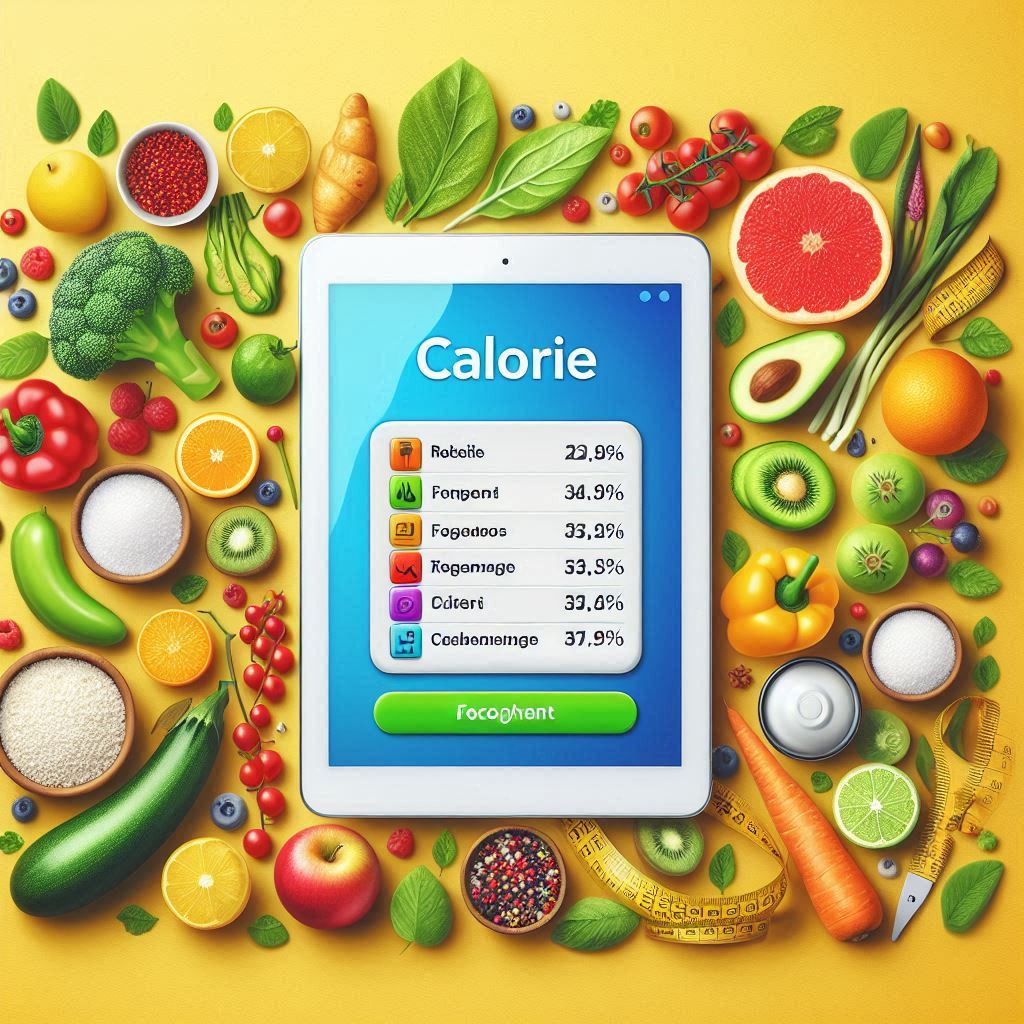
Click the “Analyze Recipe” or “Calculate” button. The calculator processes your ingredient list and generates a comprehensive nutritional breakdown. It displays calories per serving as a large number on top, followed by protein, carbs, fat, fiber, sugar, and sodium per serving.
Most calculators show both per-serving and full-recipe values. You also get an ingredient-by-ingredient calorie breakdown showing exactly which ingredients contribute most calories.
Step 4: Review and Adjust
Review the generated nutrition label listing calories, cholesterol, sodium, carbohydrates, protein, and various vitamins and minerals. If something looks incorrect, you can edit individual ingredients and update the calculations.
The intelligent parser recognizes common ingredients and cooking terms automatically. However, ingredients highlighted in yellow need clarification. For example, the calculator might need you to specify whether you mean “raw chicken breast” or “cooked chicken breast.”
Best Free Recipe Calorie Calculators
MyFitnessPal Recipe Calculator
MyFitnessPal offers a recipe nutrition calculator as part of their comprehensive food tracking platform. You enter ingredients, and the tool calculates nutritional content using their massive database of over 14 million foods.
Once your recipe is saved, you can add it to your food diary for easy tracking. The calculator remembers your recipes for future use, saving time when you make the same dishes regularly.
MyFoodData Recipe Calculator
MyFoodData provides a free recipe nutrition calculator showing macros and over 100 nutrients. The tool creates donut and pie charts displaying which nutrients contribute to the caloric total.
You can view detailed amino acid profiles, vitamin breakdowns, and mineral content. The comparison tab lets you see ingredient details side-by-side. This depth makes it excellent for people tracking specific nutrients.
Samsung Food Recipe Calculator
Samsung Food’s recipe nutrition calculator works by pasting a recipe link. The tool automatically extracts ingredients and calculates nutrition without manual entry. It assigns a health score from 1-10 based on FDA Daily Values and 28+ analyzed nutrients.
The calculator shows how each ingredient affects the overall recipe health score. This transparency helps you identify which ingredients to swap for healthier alternatives.
Verywell Recipe Calculator
Verywell offers a simple calculator where you paste your ingredient list into a text box. Click analyze, and it generates a complete nutrition label in seconds with per-serving calorie breakdowns.
The tool interprets most wordings of foods automatically. It works for online recipes, cookbook recipes, or dishes you create on the fly. Simply type everything you added and it creates a label for you.
How to Calculate Recipe Calories Manually
If you prefer manual calculation or want to understand the process, follow these steps:
Method 1: Weigh the Entire Recipe
- Weigh your empty cooking pot or container
- Prepare your recipe as written
- Weigh the full pot with the finished dish
- Subtract the pot weight to get the total recipe weight
- Log all ingredients in a tracking app
- Divide the total recipe weight by your desired serving size
- Divide total calories by number of servings
For example, if your casserole weighs 1,200 grams total and you want 200-gram servings, you get 6 servings. If total calories equal 1,800, each serving contains 300 calories.
Method 2: Calculate Per Ingredient
- Look up calories for each ingredient using USDA database
- Multiply calories by the amount used
- Add all ingredient calories together
- Divide by number of servings
This method works but requires extensive database searching and math. It’s time-consuming for complex recipes with many ingredients.
Common Mistakes When Calculating Recipe Calories
Using Volume Instead of Weight
Volume measures like cups and tablespoons vary significantly by ingredient. One cup of flour weighs differently than one cup of rice. Weigh ingredients in grams whenever possible for accuracy.
Not Accounting for Cooking Methods
Choose raw versus cooked ingredients consistently. Raw rice and cooked rice have different calorie densities because cooking adds water weight. Be specific about the state of your ingredients.
Forgetting Cooking Oils and Seasonings
Cooking oils add significant calories that many people forget. One tablespoon of olive oil contains 120 calories. Track every ingredient including oils, butter, seasonings, and sauces.
Using Inaccurate Portion Sizes
Guessing serving sizes leads to calorie errors. Use a food scale to measure servings accurately. What you think is “one serving” might actually be 1.5 or 2 servings worth of calories.
Not Updating for Recipe Changes
If you modify a recipe by adding extra cheese or using more oil than listed, update your calculations. Small changes significantly impact total calories.
How EATAI Revolutionizes Recipe Calorie Tracking
Traditional recipe calculators require tedious manual entry of every ingredient with precise measurements. This process takes 10-15 minutes per recipe and leaves room for human error. EATAI uses artificial intelligence to eliminate this burden.
Instant Recipe Analysis with AI
Simply photograph your finished dish or plated serving. EATAI’s AI recognizes all components in the meal and calculates:
- Total calories for your portion
- Protein, carbohydrates, and fat breakdown
- Fiber and other key nutrients
- Visual portion size analysis
This happens in seconds instead of the 10-15 minutes manual entry requires.
Accurate Without Measuring
You don’t need to measure individual ingredients or look up calorie counts. The AI analyzes your photo and estimates nutrition based on visual recognition. It learns your cooking patterns over time and improves accuracy with continued use.
Perfect for Complex Recipes
Homemade recipes with 10+ ingredients become simple to track. Instead of logging each ingredient separately, snap one photo of your finished meal. The AI handles the complexity automatically.
Works for Any Recipe
Whether you’re cooking from a family recipe, cookbook, or creating dishes on the fly, EATAI tracks it all. You don’t need ingredient lists or nutrition labels. The visual recognition works for any homemade dish.
Saves Your Recipes
EATAI remembers your meals. When you eat the same recipe again, the app recognizes it instantly. This creates a personal database of your homemade dishes without manual entry work.
Visit https://geteatai.app to stop manually calculating recipe calories and start using AI-powered photo recognition instead.
Tips for More Accurate Recipe Calculations
Be Specific with Ingredients
Specify whether ingredients are raw or cooked, fresh or frozen, canned or dried. “Chicken breast” could mean raw, cooked, with skin, or without skin – each has different calories.
Use Brand Names When Relevant
Brand formulas differ significantly for processed ingredients. Different mayo brands can vary by 20+ calories per tablespoon. Use the same brands consistently for reliable results.
Account for Liquid Reduction
Sauces and stews reduce during cooking as liquid evaporates. The final dish weighs less than total ingredient weights suggest. Weigh the finished dish to calculate accurate serving sizes.
Include All Fats
Track butter, oils, cooking sprays, bacon grease, and any other fats used during cooking. These calorie-dense ingredients add up quickly but are easy to forget.
Verify Serving Counts
Recipe serving counts are often arbitrary. The recipe might say “serves 4” but actually makes enough for 6 normal portions. Divide by actual servings you get from the recipe.
Using Recipe Calculators for Different Goals
Weight Loss
Recipe calculators help you stay within your calorie budget. Calculate high-calorie ingredients and swap them for lighter alternatives. Replace 1 cup of mayonnaise with Greek yogurt to lower calories significantly.
Track your homemade meals alongside restaurant meals to understand your total daily intake. Seeing the calorie breakdown helps you make informed choices about portion sizes.
Weight Gain and Muscle Building
Calculate protein content to ensure each meal supports muscle growth. Add calorie-dense healthy ingredients like nuts, nut butters, and olive oil to increase total calories.
Athletes can verify they’re eating enough to fuel training. Recipe calculators help you meet high calorie and protein requirements without guessing.
Managing Health Conditions
People with diabetes can track carbohydrate content precisely. Recipe calculators show total carbs and sugar per serving, crucial for blood sugar management.
Those watching sodium intake can identify high-sodium ingredients and make substitutions. The detailed nutritional breakdown helps manage heart health, kidney disease, and other conditions requiring specific dietary control.
Meal Planning
Calculate nutrition for the entire week’s meals during Sunday prep. This overview helps you balance macros across days and ensure variety in your diet.
Build a recipe database of your regular meals with saved nutrition facts. Meal planning becomes faster when you already know the calories in your go-to dishes.
Frequently Asked Questions About Recipe Calorie Calculator
How accurate are recipe calorie calculators?
Recipe calorie calculators provide reasonably accurate estimates when you enter correct ingredient amounts. Accuracy depends on the quality of the nutritional database used and precision of your measurements. Weight measurements in grams are more accurate than volume measures like cups. User error from incorrect portion sizes is the biggest accuracy issue. AI-powered tools like EATAI improve accuracy by visually analyzing portions rather than relying on user estimates.
Can I use a recipe calorie calculator for any type of recipe?
Yes, most recipe calorie calculators work for any recipe including desserts, main dishes, salads, soups, smoothies, and baked goods. Some calculators struggle with international ingredients or specialized foods not in their database. You can manually add custom ingredients when needed. AI-powered calculators like EATAI work for any visual dish without needing database entries.
Do I need to weigh ingredients for accurate calculations?
Weighing ingredients in grams provides the most accurate calorie calculations. Volume measures like cups vary significantly depending on how you pack the ingredient. However, most recipe calculators accept both weight and volume measurements. For best results, weigh calorie-dense ingredients like nuts, oils, cheese, and flour. Less precise measurement is acceptable for low-calorie vegetables.
How do I calculate calories in restaurant copycat recipes?
Calculate calories for restaurant copycat recipes the same way as any homemade recipe. Enter all ingredients with measurements into a recipe calculator. Restaurant portions are typically larger than home portions, so be honest about serving sizes. For accuracy, compare your calculated nutrition to official restaurant nutrition data if available to verify your recipe matches.
Can recipe calculators account for calories lost during cooking?
Recipe calculators typically don’t adjust for calories lost during cooking. Fat drips away when grilling meat, and water evaporates from sauces. For most recipes, these losses are minimal and don’t significantly affect accuracy. For precision, weigh your finished dish and calculate based on actual final weight rather than total ingredient weights.
How do I save my calculated recipes for future use?
Most recipe calorie calculators let you save custom recipes to your account. After calculating nutrition, click “Save Recipe” and give it a name. The recipe remains in your library for quick access. Apps like MyFitnessPal integrate saved recipes with their food diary so you can log them in one click. EATAI automatically recognizes your repeated meals from photos.
What’s the difference between manual calculation and AI-powered tools?
Manual calculation requires entering each ingredient, measurement, and serving size. This takes 10-15 minutes per recipe and leaves room for measurement errors. AI-powered tools like EATAI analyze photos instantly, recognizing ingredients and portions visually. This happens in seconds with no manual entry. AI improves accuracy by eliminating human estimation errors while saving significant time.
Can I calculate nutrition for meal prep batches?
Yes, recipe calculators work perfectly for meal prep. Calculate total nutrition for your batch, then divide by the number of containers you prepare. If you make 8 portions of chicken and rice, divide total calories by 8 for per-container nutrition. Weigh each container to ensure consistent serving sizes. This guarantees accurate tracking throughout the week.
Conclusion
Recipe calorie calculators transform homemade cooking from a nutritional mystery into precise, trackable data. These tools help you understand exactly what goes into your favorite dishes and make informed decisions about ingredients and portions.
Free calculators like MyFitnessPal, MyFoodData, Samsung Food, and Verywell provide excellent options for manual recipe entry. Each offers unique features from massive food databases to health score calculations.
However, manual entry requires significant time and effort – 10-15 minutes per recipe adds up quickly. This tedious process causes many people to abandon tracking their homemade meals entirely.
EATAI revolutionizes recipe calorie tracking through AI-powered photo recognition. Simply photograph your dish and receive instant calorie and macro calculations. No ingredient lists, no measurements, no manual database searching. The AI handles everything automatically.
Visit https://geteatai.app to stop manually calculating recipe calories. Let artificial intelligence analyze your meals in seconds instead of minutes. Track your homemade cooking effortlessly while maintaining accuracy.
Whether you choose traditional calculators or AI-powered solutions, tracking your homemade meals helps you reach your health goals. Understanding the nutrition in your recipes empowers you to make better choices, modify dishes for improved nutrition, and stay accountable to your diet.
Start calculating your recipe calories today and take control of your nutrition one homemade meal at a time.
References on Recipe Calorie Calculator
- RecipeCard.io. (2025). Free Recipe Analyzer – Calculate Calories and Nutrition Facts. Retrieved from https://recipecard.io/recipe-nutrition-analyzer/
- MyFitnessPal. (n.d.). Recipe Nutrition Facts, Recipe Nutrition Calculator. Retrieved from https://www.myfitnesspal.com/
- Women in Balance. (2025). Recipe Calorie Calculator. Retrieved from https://womeninbalance.org/
- HappyForks. (n.d.). Recipe analyzer | Calorie & nutrition calculator. Retrieved from https://happyforks.com/analyzer
- One Ingredient Chef. (n.d.). Recipe Nutrition Calculator. Retrieved from https://oneingredientchef.com/how-to-get-nutrition-facts/
- MyFoodData. (2024). Recipe Nutrition Calculator. Retrieved from https://tools.myfooddata.com/recipe-nutrition-calculator
- Samsung Food. (2025). Free Recipe Nutrition Calculator and Calorie Calculator Online. Retrieved from https://samsungfood.com/
- HealthyBeat. (2023). Recipe Calorie Calculator. Retrieved from https://healthybeat.com/nutrition/
- Wondershare. (2025). A Complete Guide: How to Use Recipe Calorie Calculator Apps. Retrieved from https://www.wondershare.com/calorie-tracker/