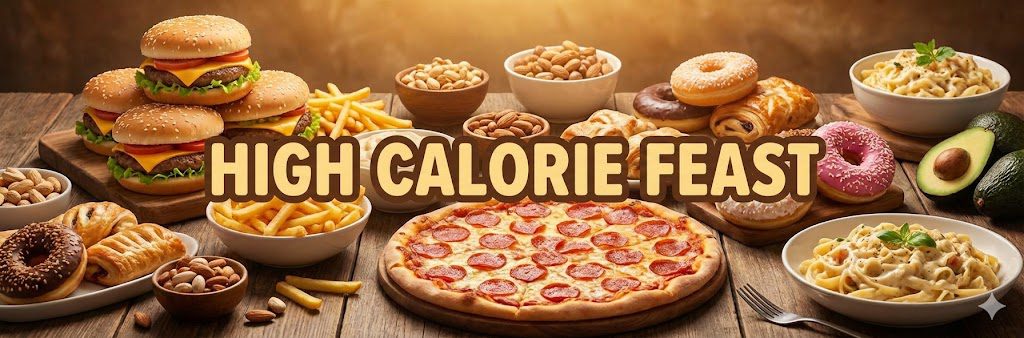
Do you want to gain weight or build muscle? Are you looking for best calorie dense foods that give you more energy? High calorie foods can help you reach your goals. This guide shows you the best high calorie foods and how to add them to your meals.
Contents
- 1 What Are High Calorie Foods?
- 2 Why You Might Need High Calorie Foods
- 3 The Best High Calorie Foods
- 4 How to Add More Calories to Your Meals
- 5 Tips for Healthy Weight Gain
- 6 Common Mistakes to Avoid about best calorie dense foods
- 7 Frequently Asked Questions(best calorie dense foods)
- 8 Conclusion: high calorie foods
- 9 References on best calorie dense foods
- 10 Download EATAI app and gain your fitness goal powered by AI.
What Are High Calorie Foods?
High calorie foods pack a lot of energy into small portions. These foods contain more calories per bite than regular foods. Fat provides 9 calories per gram, while carbohydrates and protein each provide 4 calories per gram. This is why fatty foods usually have more calories.
Some people need extra calories every day. Athletes burn lots of energy during training. People recovering from illness need more calories to heal. Young adults who are still growing also need extra energy. High calorie foods help these people meet their daily needs.
Why You Might Need High Calorie Foods
Many people think they should avoid high calorie foods. But some people actually need them. Your doctor might tell you to eat more calories if you are underweight. People with fast metabolisms burn calories quickly and need to eat more.
Athletes and bodybuilders eat high calorie foods to build muscle. They need extra energy to support their tough workouts. Construction workers and other people with active jobs also need more calories. Their bodies burn energy all day long.
Some health conditions make it hard to maintain weight. Cancer patients often lose weight during treatment. People with digestive problems may not absorb nutrients well. High calorie foods help these people get the nutrition they need in smaller portions.
The Best High Calorie Foods
Nuts and Nut Butters
Nuts are perfect high calorie snacks. A small handful of almonds contains about 160 calories. Walnuts, cashews, and pecans also pack lots of calories. You can eat nuts alone or add them to other foods.
Peanut butter and almond butter are even more calorie-dense. Two tablespoons of peanut butter give you around 190 calories. Spread nut butter on bread, add it to smoothies, or eat it with apple slices. These tasty spreads make it easy to add calories to any meal.
Avocados
Avocados are creamy fruits loaded with healthy fats. One medium avocado contains about 240 calories. They also provide vitamins, minerals, and fiber. Your body absorbs these nutrients easily.
Add avocados to sandwiches, salads, or toast. Make guacamole for a delicious snack. Blend avocados into smoothies for extra creaminess. These green fruits taste great and boost your calorie intake.
Whole Grains
Whole grains give you energy and nutrients. Brown rice, quinoa, and oats contain more calories than vegetables. One cup of cooked brown rice has about 215 calories. These foods also provide fiber and B vitamins.
Start your day with oatmeal topped with nuts and honey. Eat quinoa bowls for lunch with vegetables and protein. Choose whole grain bread instead of white bread. These simple switches add more calories and nutrition.
Oils and Fats
Cooking oils are the most calorie-dense foods available. One tablespoon of olive oil contains 120 calories. Coconut oil, avocado oil, and butter also pack lots of calories. Use these fats to cook your meals.
Drizzle olive oil over salads and vegetables. Cook eggs in butter for extra flavor. Add coconut oil to your coffee or smoothies. These healthy fats increase your calorie intake without making you feel too full.
Cheese and Dairy
Cheese provides protein, calcium, and lots of calories. One ounce of cheddar cheese has about 115 calories. Full-fat yogurt, whole milk, and cream are also high in calories. These dairy foods help you build strong bones and muscles.
Sprinkle cheese on everything from eggs to pasta. Drink whole milk instead of skim milk. Choose full-fat yogurt and add granola on top. Dairy foods taste great and add calories to every meal.
Dried Fruits
Dried fruits are concentrated sources of calories and natural sugars. A quarter cup of raisins contains about 120 calories. Dates, dried apricots, and prunes are also calorie-rich. These sweet snacks give you quick energy.
Pack dried fruits in your bag for easy snacks. Mix them with nuts for a homemade trail mix. Add dried fruits to oatmeal or yogurt. These foods satisfy your sweet tooth while boosting calories.
Fatty Fish
Salmon, mackerel, and tuna provide healthy fats and protein. A 3-ounce serving of salmon contains around 175 calories. These fish also offer omega-3 fatty acids that support your heart and brain. Research shows that omega-3 fatty acids help lower triglyceride levels and may reduce the risk of heart disease. Your body needs these special fats to stay healthy.
Grill salmon for dinner twice a week. Make tuna salad with mayonnaise for lunch. Bake mackerel with lemon and herbs. These tasty fish dishes add quality calories and protein.
Red Meat
Beef, pork, and lamb contain lots of protein and calories. A 3-ounce serving of ground beef has about 230 calories. These meats help you build muscle and provide iron. Choose grass-fed options when possible.
Cook burgers, steaks, or meatballs for satisfying meals. Add ground beef to pasta dishes. Slow-cook pork shoulder for tender pulled pork. Red meat adds substantial calories to your diet.
Dark Chocolate
Dark chocolate is a delicious high calorie treat. One ounce contains about 170 calories. It also provides antioxidants that protect your cells. Choose chocolate with at least 70% cocoa for the most benefits.
Eat a few squares of dark chocolate as dessert. Melt it over fruit or stir it into oatmeal. Add dark chocolate chips to trail mix. This treat satisfies cravings while adding calories.
How to Add More Calories to Your Meals
Adding calories to your meals is easier than you think. Start by eating more often throughout the day. Aim for five or six small meals instead of three big ones. This approach prevents you from feeling too full.
Add extra toppings to your regular foods. Sprinkle nuts on salads and yogurt. Drizzle oil over vegetables before roasting them. Put cheese on sandwiches and baked potatoes. These simple additions increase calories without changing your meals too much.
Drink your calories when you feel too full to eat. Make smoothies with fruit, nut butter, and whole milk. Drink fruit juice or whole milk with meals. Protein shakes also provide lots of calories in liquid form.
Cook with more fat to boost calories. Sauté vegetables in olive oil instead of steaming them. Add butter to rice and pasta. Use cream in soups and sauces. These cooking methods make food taste better and add more energy.
Tips for Healthy Weight Gain
Gaining weight means eating more calories than you burn. Track your food intake to see how many calories you eat each day. Experts recommend adding 300-500 extra calories to gain weight slowly and steadily. This gradual approach helps you gain mostly muscle instead of fat.
Combine high calorie foods with strength training. Lifting weights tells your body to build muscle. The extra calories provide energy for muscle growth. Work with a trainer to create an exercise plan that fits your goals.
Choose nutritious high calorie foods most of the time. Nuts, avocados, and fish provide vitamins and minerals along with calories. Save treats like chocolate and ice cream for occasional enjoyment. This balanced approach keeps you healthy while gaining weight.
Stay patient during your weight gain journey. Your body needs time to build new muscle and tissue. Weigh yourself once a week at the same time. Take progress photos to see changes over time. Celebrate small victories along the way.
Common Mistakes to Avoid about best calorie dense foods
Some people eat only junk food to gain weight. This approach fills you with calories but lacks nutrition. Your body needs vitamins, minerals, and protein to function well. Choose whole foods as your main calorie sources.
Skipping meals slows down your progress. Eat regularly throughout the day to maintain energy levels. Set reminders on your phone if you forget to eat. Prepare meals ahead of time so food is always ready.
Drinking too much water before meals can fill you up. Save most of your water for between meals. This strategy leaves more room for calorie-dense foods during mealtimes.
Frequently Asked Questions(best calorie dense foods)
What foods have the most calories?
Oils and fats have the most calories per serving. One tablespoon of any cooking oil contains 120 calories. Nuts, nut butters, and cheese also rank high on the calorie list. These foods pack maximum energy into small portions.
How can I eat 3000 calories a day?
Eating 3000 calories requires planning and consistency. Eat six times per day with meals around 500 calories each. Include high calorie foods like nuts, oils, and full-fat dairy at every meal. Add snacks between meals like protein shakes or trail mix. Track your intake using a food diary or app.
Are high calorie foods unhealthy?
High calorie foods are not automatically unhealthy. Many nutritious foods like avocados, nuts, and salmon are high in calories. These foods provide essential fats, vitamins, and minerals. The key is choosing whole foods over processed junk food most of the time.
Can high calorie foods help me build muscle?
Yes, high calorie foods support muscle building when combined with strength training. Your muscles need extra calories and protein to grow. Eating enough calories gives your body the energy it needs for workouts and recovery. Focus on protein-rich high calorie foods like meat, fish, eggs, and dairy.
What are good high calorie snacks?
Trail mix with nuts and dried fruits makes an excellent high calorie snack. Peanut butter on whole grain crackers provides protein and energy. Full-fat yogurt with granola and honey tastes great and packs lots of calories. Cheese and whole grain crackers offer a savory option. Protein bars and smoothies work well when you are on the go.
How long does it take to gain weight with high calorie foods?
Weight gain happens gradually over several weeks or months. Most people gain one to two pounds per week with consistent effort. You should see noticeable changes after four to eight weeks. Remember that building muscle takes longer than gaining fat. Stay patient and keep eating high calorie foods regularly.
Conclusion: high calorie foods
High calorie foods help you reach your weight gain and muscle building goals. Nuts, avocados, whole grains, and healthy oils provide concentrated energy. Add these foods to your meals throughout the day. Choose nutritious options most of the time for the best results.
Remember to combine high calorie eating with strength training for optimal muscle growth. Track your progress and adjust your intake as needed. Stay consistent with your eating habits and exercise routine. With time and effort, you will achieve your goals and feel stronger and healthier.
Start small by adding one or two high calorie foods to your current diet. Build up gradually as your body adjusts. Listen to your body and eat until you feel satisfied. Your journey to a healthier weight begins with smart food choices today.
References on best calorie dense foods
- U.S. Department of Agriculture, Agricultural Research Service. (2025). FoodData Central. Retrieved from https://fdc.nal.usda.gov/
- Food and Nutrition Information Center. (n.d.). Macronutrients. National Agricultural Library, USDA. Retrieved from https://www.nal.usda.gov/programs/fnic
- National Institutes of Health, Office of Dietary Supplements. (2025). Omega-3 Fatty Acids – Health Professional Fact Sheet. Retrieved from https://ods.od.nih.gov/factsheets/Omega3FattyAcids-HealthProfessional/
- Mayo Clinic. (2025). Underweight? See how to add pounds healthfully. Retrieved from https://www.mayoclinic.org/healthy-lifestyle/nutrition-and-healthy-eating/expert-answers/underweight/faq-20058429
Check out the daily calorie intake calculator according to your body index: https://geteatai.app/calculators/daily-calorie